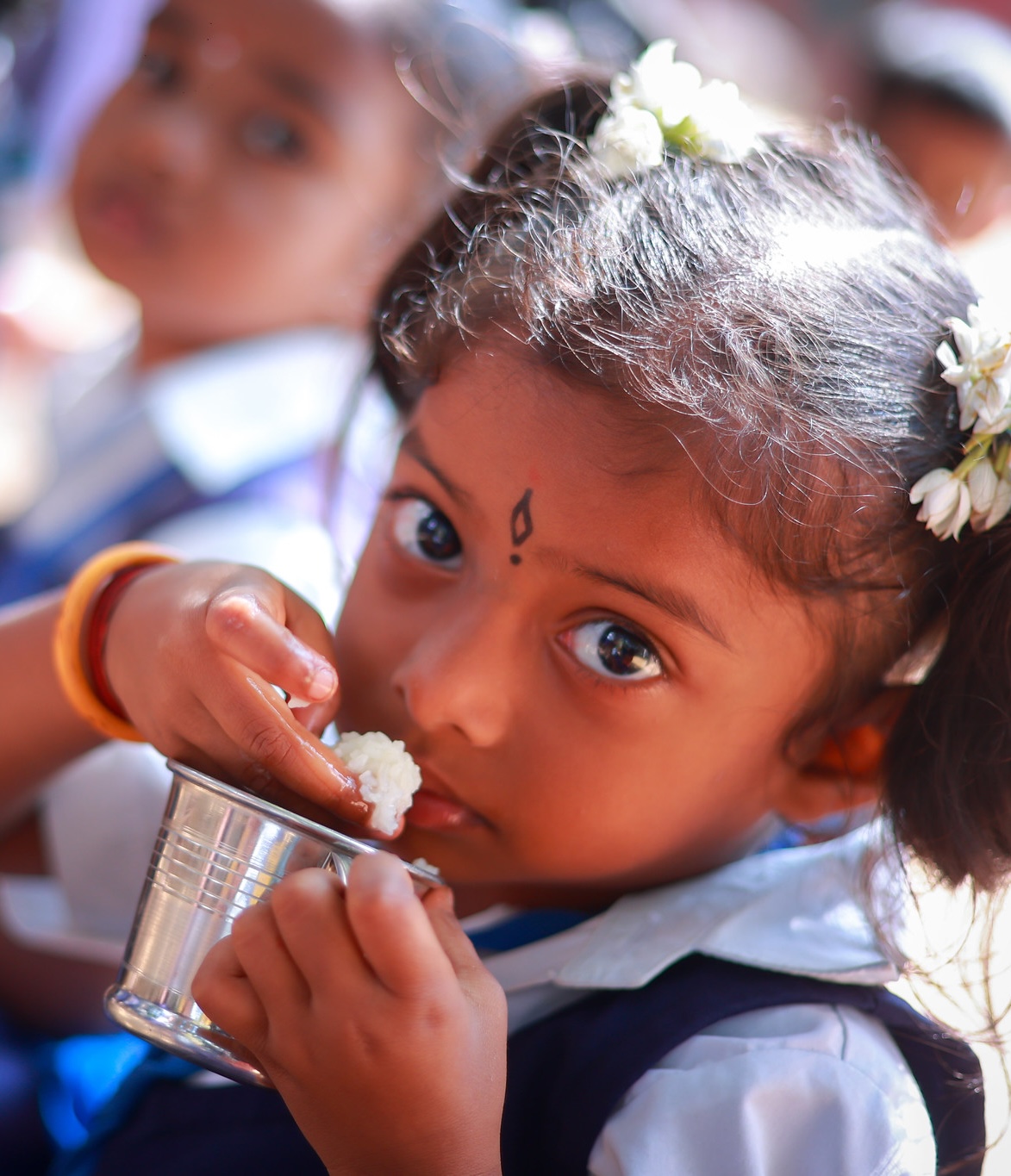
In Tanzania, millions of children suffer from one or more forms of undernutrition, including low birth weight, stunting, wasting, anemia, iodine and Vitamin A deficiency. This project with longtime BGR partner Action Against Hunger is designed to address the underlying causes of malnutrition among children in 35 villages in Mpwapwa District of the Dodoma Region by increasing the production of nutrient-rich crops and the consumption of these foods to improve dietary diversification.
The project will train 70 small-holder women farmers in climate-smart agriculture, post-harvest management, and food preservation. Each of these model farmers will in turn train 25 other women farmers, for a total of 1,820 direct participants. To increase productivity levels sustainably, the project will promote appropriate technologies, including nursery preparation, planting, weeding, integrated pest/disease management, harvesting, and post-harvest management. This project will complement existing nutrition interventions Action Against Hunger is currently implementing in the region. The proposed project will improve food security and nutrition outcomes for almost 20,000 children by improving agricultural practices, increasing knowledge around healthy nutrition, and providing nutrition screening for at-risk children. Second year of a three-year project.