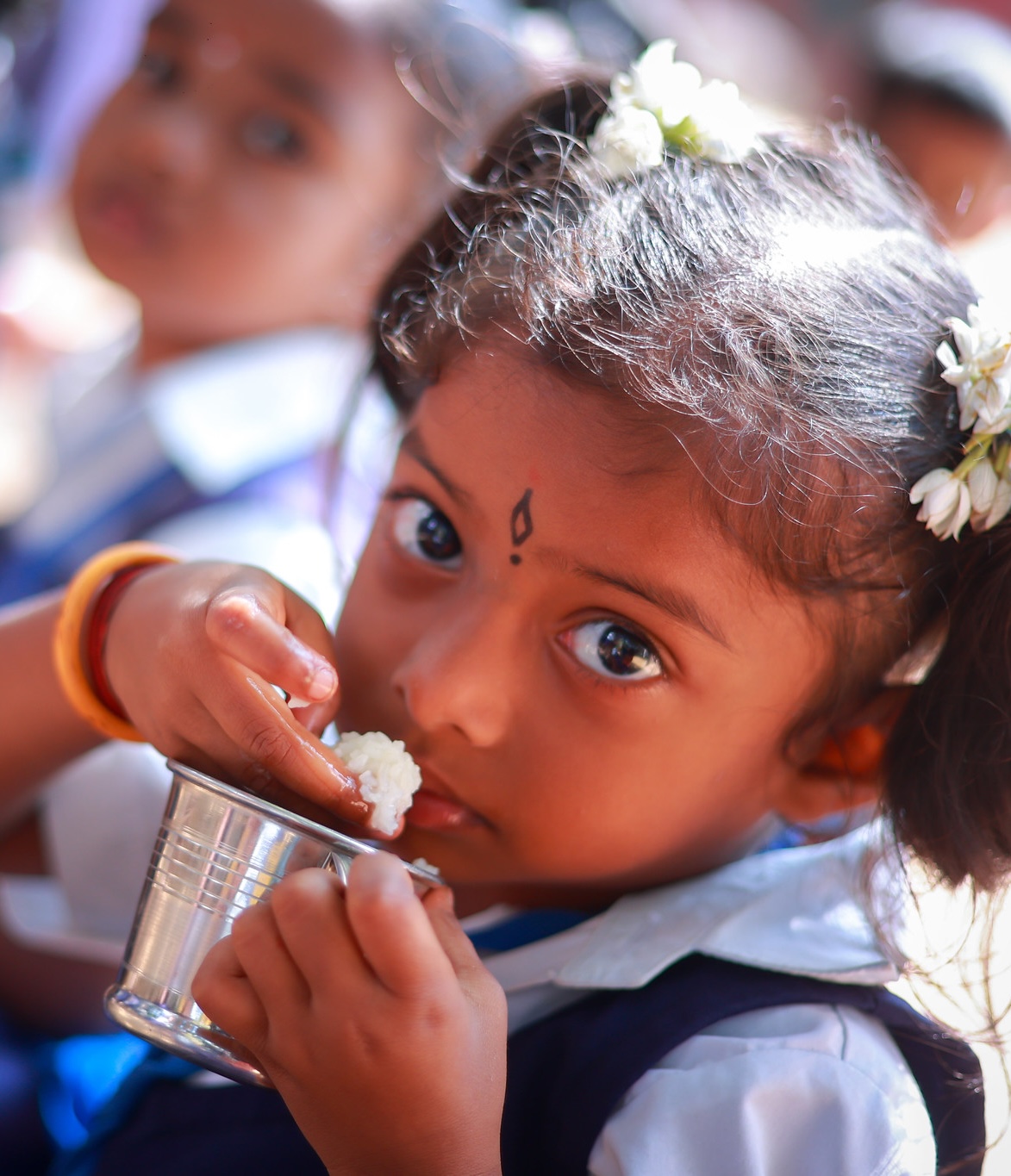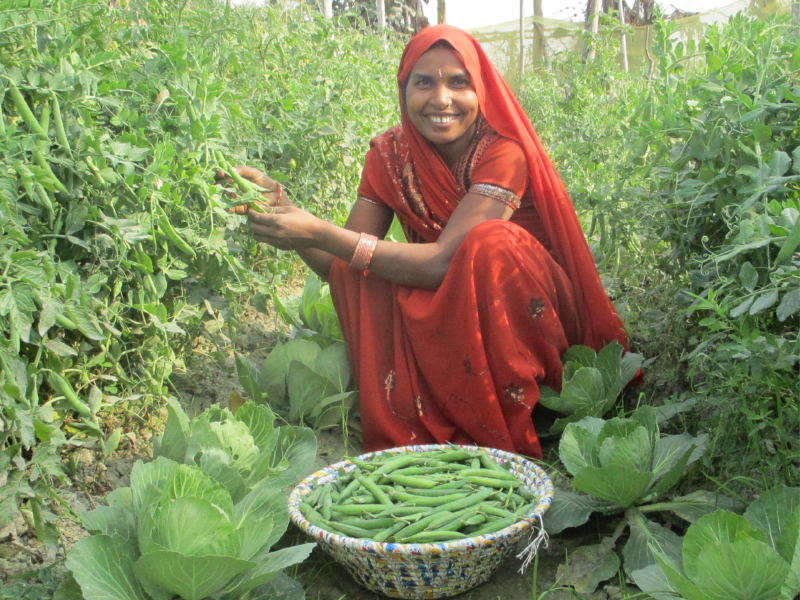
In Uttar Pradesh, India’s most populous state, an estimated 85 percent of working women in rural areas are farmers or farm workers, yet few have access to credit or government training programs. BGR partner Oxfam India introduces an expanded project serving women farmers, many of them Dalit (the former “untouchables”), in ten villages in Lakhimpur Kheri, Uttar Pradesh. The project aims to increase income and nutrition security among smallholder women farmers through training in climate-resilient agricultural methods and in the production of nutritionally rich crop varieties. The project will also strengthen the collective bargaining power of women farmers by forming support centers for women farmers in ten new villages and further supporting the work of five existing women farmers’ groups. Following the trainings, Oxfam India expects that 80 percent of women in the core villages will have adopted climate-resilient agricultural practices; 60 percent will have improved their income by at least 50 percent; and 40 percent will have adopted nutritionally rich crop varieties. The project aims to serve 500 women farmers as direct beneficiaries and 3,000 indirectly. Annually renewable project
In Uttar Pradesh, India’s most populous state, an estimated 85 percent of working women in rural areas are farmers or farm workers, yet few have access to credit or government training programs. BGR partner Oxfam India introduces an expanded project serving women farmers, many of them Dalit (the former “untouchables”), in ten villages in Lakhimpur Kheri, Uttar Pradesh. The project aims to increase income and nutrition security among smallholder women farmers through training in climate-resilient agricultural methods and in the production of nutritionally rich crop varieties. The project will also strengthen the collective bargaining power of women farmers by forming support centers for women farmers in ten new villages and further supporting the work of five existing women farmers’ groups. Following the trainings, Oxfam India expects that 80 percent of women in the core villages will have adopted climate-resilient agricultural practices; 60 percent will have improved their income by at least 50 percent; and 40 percent will have adopted nutritionally rich crop varieties. The project aims to serve 500 women farmers as direct beneficiaries and 3,000 indirectly. Annually renewable project