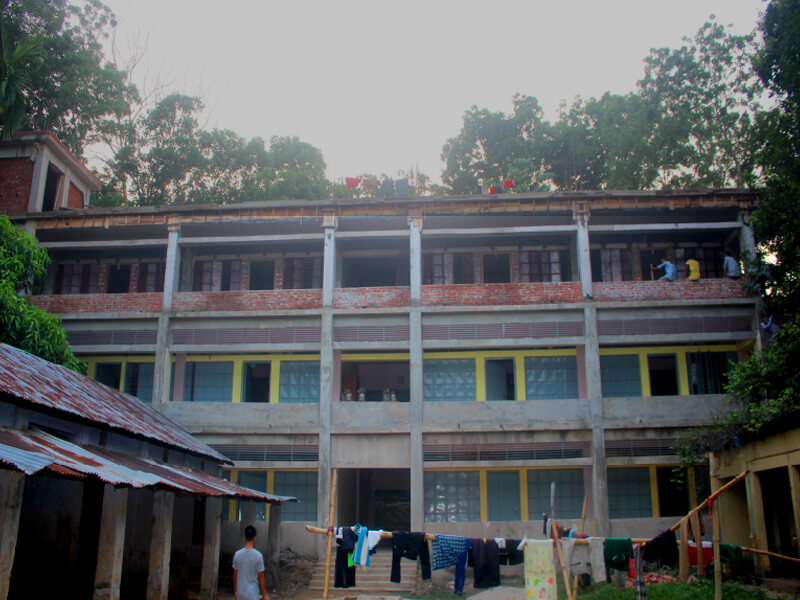
Our partner in this project, Moanoghar, was founded in 1974 by a group of Buddhist monks to provide shelter to children of Bangladesh’s Chittagong Hill Tracts affected by conflict or living in remote areas. Today, Moanoghar School provides free or highly subsidized education to about 1,250 disadvantaged children from different ethnic Indigenous communities of this rural, mountainous region; more than 700 of the students live on campus in twelve residential hostels. The Chittagong Hill Tracts is the poorest region in Bangladesh and has the country’s highest dropout rates, especially among girls. Despite serving a largely impoverished and rural student population, Moanoghar is among the best-performing schools in the region.
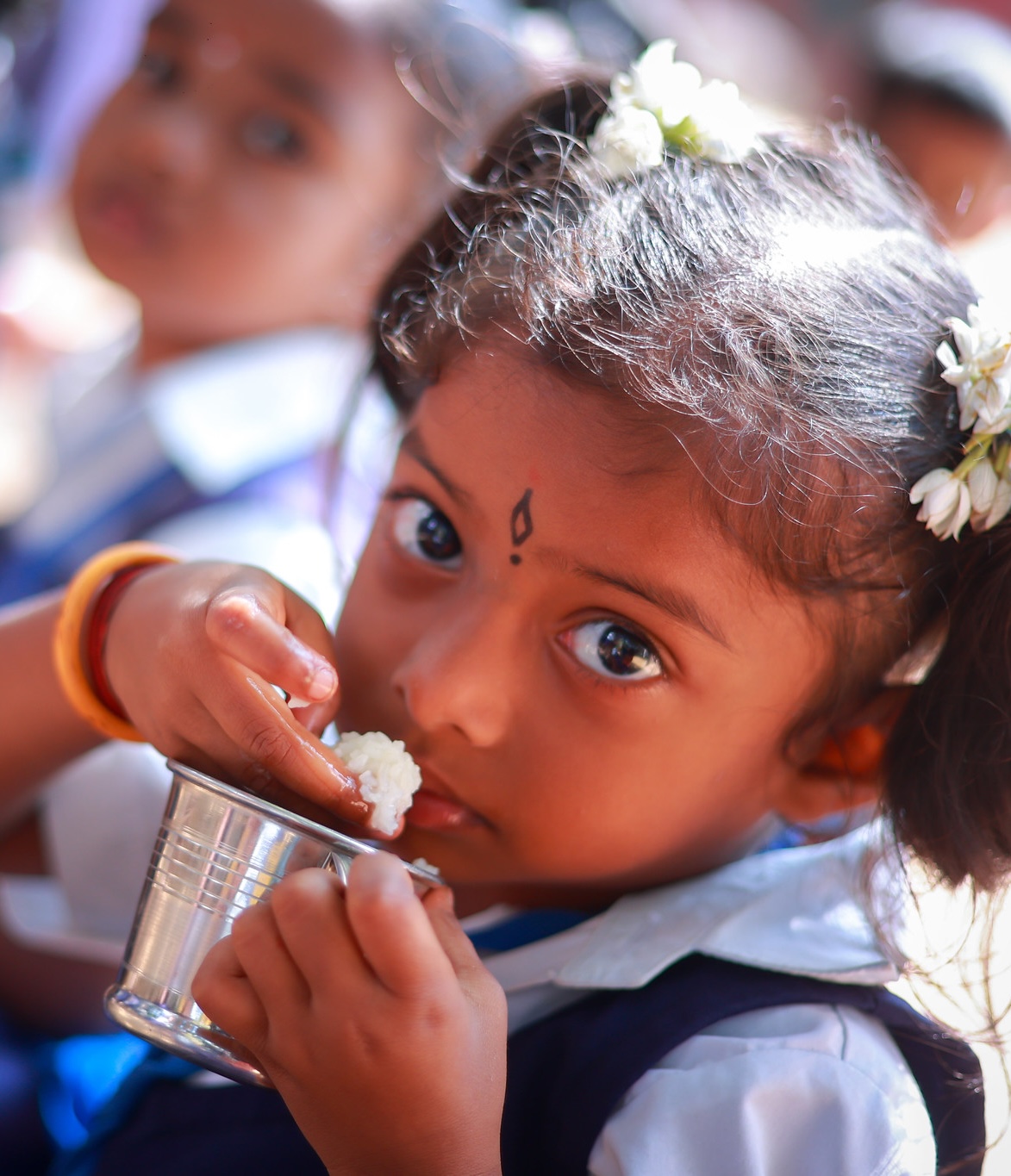
The COVID-19 pandemic created economic shocks in this area that brought many families near starvation. Therefore, this year’s project will support our partner’s efforts to respond to the COVID-19 crisis. The project will have four components: (1) Vegetable gardening to raise produce for the consumption of the children; (2) Food support (rice) to feed the children; (3) Setting up of a nursery for saplings of fruits and other trees; and (4) Training in food and agro-processing. The project will benefit 670 children and youths. Existing partner, new project.
Our partner in this project, Moanoghar, was founded in 1974 by a group of Buddhist monks to provide shelter to children of Bangladesh’s Chittagong Hill Tracts affected by conflict or living in remote areas. Today, Moanoghar School provides free or highly subsidized education to about 1,250 disadvantaged children from different ethnic Indigenous communities of this rural, mountainous region; more than 700 of the students live on campus in twelve residential hostels. The Chittagong Hill Tracts is the poorest region in Bangladesh and has the country’s highest dropout rates, especially among girls. Despite serving a largely impoverished and rural student population, Moanoghar is among the best-performing schools in the region.
The COVID-19 pandemic created economic shocks in this area that brought many families near starvation. Therefore, this year’s project will support our partner’s efforts to respond to the COVID-19 crisis. The project will have four components: (1) Vegetable gardening to raise produce for the consumption of the children; (2) Food support (rice) to feed the children; (3) Setting up of a nursery for saplings of fruits and other trees; and (4) Training in food and agro-processing. The project will benefit 670 children and youths. Existing partner, new project.