A Young Woman Finds Her Voice in Nagpur, India
By Shae Davidson
Manjushri, 16, came to the Bodhicitta Foundation seeking sanctuary from her uncle’s overcrowded house. Her father had taken out a loan to buy fertilizer for his farm. The chemicals he purchased–banned in many other countries–created a bumper crop of vegetables. His harvest, however, had fewer nutrients than traditional crops, and the fertilizer he used poisoned the soil. He sold a kidney to repay the loan, but he was too weak to work on his struggling farm and moved in with his brother and his family.
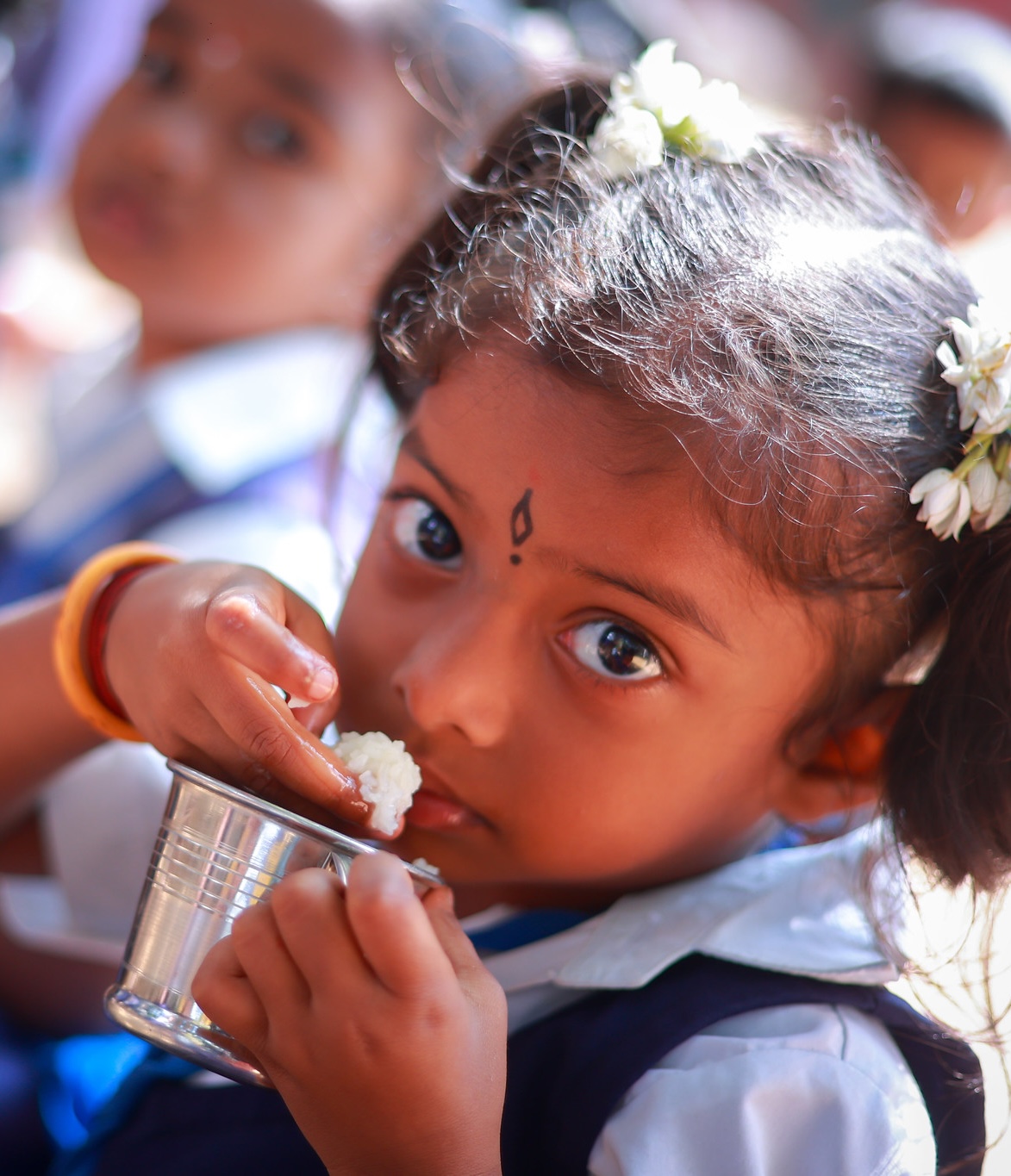
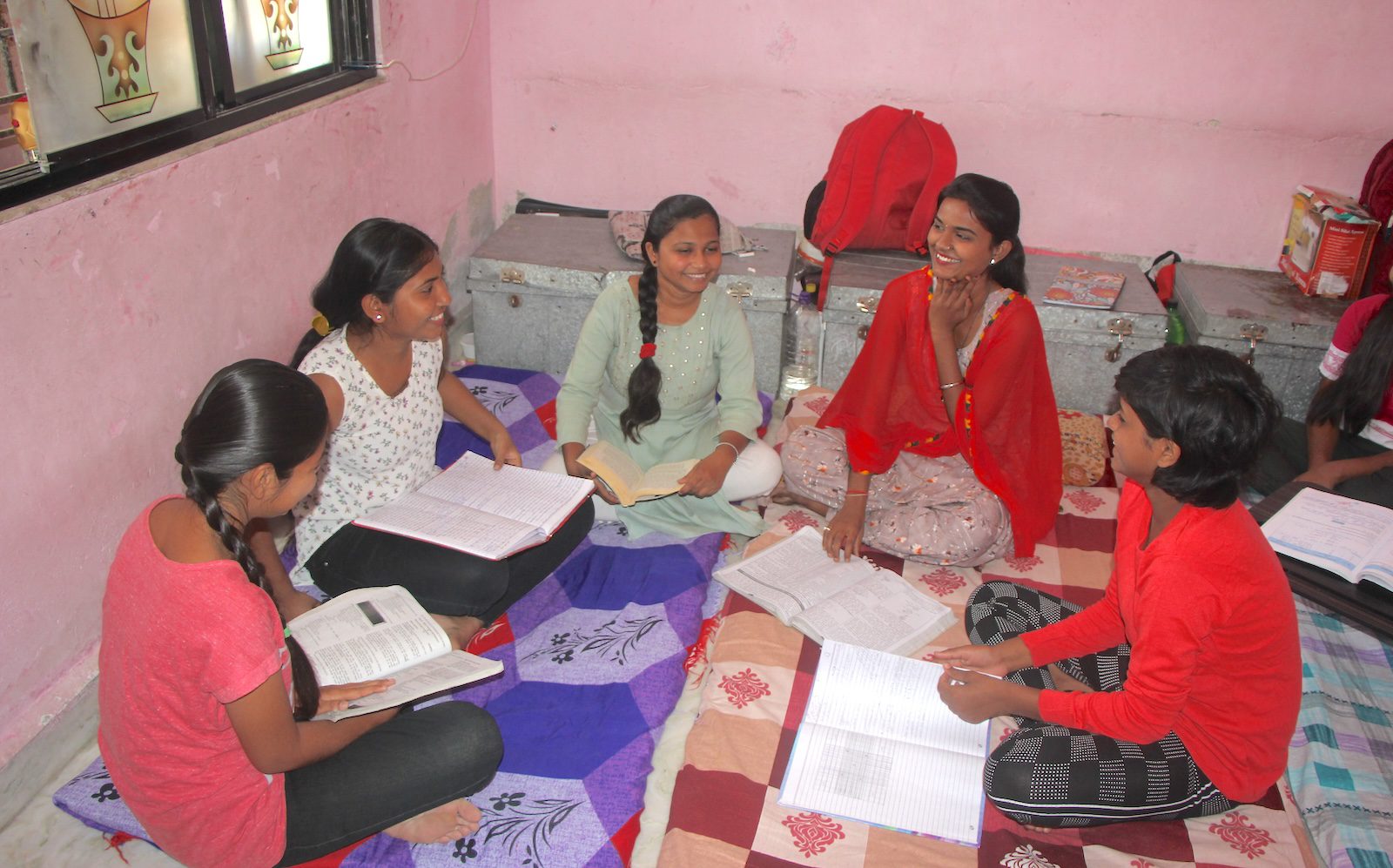
When Manjushri arrived at Bodhicitta’s hostel in Nagpur, India, she received a safe and nurturing welcome from staff members and other students. Her new friends became a loving second family. The foundation gave the students nutritious meals and offered courses in health and social services. Manjushri began to thrive, and she embraced the classes she was taking as a way to make the world a better place.
The Bodhicitta Foundation provides a wide range of services to girls and women in central India, focusing its efforts on empowering women from ethnic minorities and Dalit communities. In addition to the hostel and education program, the nonprofit offers legal advice, maternal health programs, vocational training, self-defense courses, and a library. The foundation advocates for women’s rights and broader social change, working to overcome the obstacles faced by its beneficiaries.
The Bodhicitta Foundation’s efforts to balance meeting the individual needs of women and girls and its recognition of the institutional and structural challenges standing in their way have given Manjushri the perfect environment to grow and find ways to use her experiences to help others. She is dedicated to social and environmental justice, and has participated in hunger strikes and marches to raise awareness of climate change and the challenges facing farmers like her father. Manjushri has spoken out against efforts by mining companies to seize land in central India and the violent guerrilla movement that has conscripted some of her friends to fight extractive corporations, explaining, “I would rather have a book than a gun,” as she looks for ways to help her community.
Her engagement, academic curiosity, and deep compassion have inspired Manjushri to explore law or politics as a career. She feels that her experiences with the Bodhicitta Foundation have helped her overcome personal challenges and given her the tools she needs to help others, and has explained to staff members that their support has changed her life.
BGR Board member Shae Davidson completed a Ph.D. in U.S. History at Ohio University, with research exploring the importance of inclusive community partnerships in building food systems. His past experience includes serving as a museum director, a humanities instructor, and a researcher. Shae currently works at a nonprofit that supports survivors of gender-based violence.