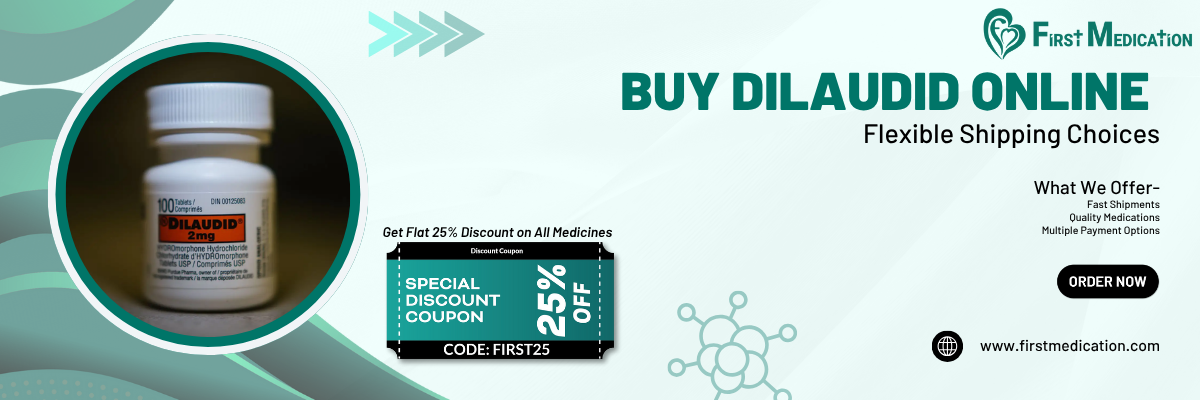
Buy Dilaudid Online Pennsylvania Verified Access
Buy Dilaudid Overnight ⭐😊
Access to medication is a cornerstone of effective healthcare, but access must always be paired with trust, safety, and professional accountability. For potent prescription medicines—particularly opioid analgesics such as hydromorphone—patients and caregivers need clear, accurate information to make responsible decisions. In a digital healthcare environment, where telemedicine and online pharmacies are increasingly common, understanding what “verified access” truly means is essential for protecting patient well-being and public health.
This article focuses on the principles that define trusted medication access in Pennsylvania and beyond. It does not promote unsafe or unlawful practices. Instead, it explains why verified sourcing, professional oversight, and transparent systems matter, and how patients can evaluate providers with confidence.
Why Trusted Medication Matters
Medication can improve quality of life when used appropriately, but it also carries risks if obtained or used incorrectly. This is especially true for prescription pain medications that require precise dosing, careful monitoring, and clear clinical justification. Trusted medication access ensures that:
-
The medicine is authentic and handled correctly
-
A licensed clinician has evaluated the patient’s needs
-
Legal and ethical standards are followed
-
Patient safety is prioritized at every step
Without these safeguards, patients may face serious consequences, including adverse reactions, drug interactions, misuse, or exposure to counterfeit products.
Trust in Modern and Digital Healthcare
Digital healthcare has expanded access for many patients, including those in rural areas or with mobility challenges. Telehealth consultations, electronic prescribing, and licensed online pharmacies can all be legitimate components of care when they operate within regulatory frameworks.
However, the convenience of online access also creates opportunities for unverified sellers and unsafe practices. Trust in modern healthcare depends on systems that replicate—or improve upon—the protections of in-person care. This includes licensed professionals, documented clinical decision-making, and traceable medication supply chains.
In Pennsylvania, as in all U.S. states, controlled medications require a valid prescription and must be dispensed by properly licensed pharmacies. Any online access that bypasses these requirements should be viewed as unsafe and unlawful.
What Makes Medication “Trusted”?
Trusted medication access is not defined by speed or marketing claims. It is defined by standards. The following elements are central to trust and reliability:
Verified Sourcing
Medications must come from regulated manufacturers and distributors. Verified sourcing ensures the product meets quality, purity, and storage standards established by health authorities.
Professional Oversight
A licensed healthcare provider must assess the patient, review medical history, and determine whether a medication is appropriate. Ongoing oversight allows for dose adjustments, monitoring, and discontinuation when necessary.
Regulatory Compliance
Legitimate providers follow federal and state laws governing prescribing, dispensing, and record-keeping. Compliance protects both patients and clinicians.
Accurate Information
Patients should receive clear instructions, warnings, and educational materials. Trusted systems prioritize informed consent and understanding, not confusion or pressure.
Experience, Expertise, and Professional Standards
Healthcare trust is built on experience and expertise. Licensed clinicians undergo extensive education and training to evaluate pain, weigh benefits against risks, and choose appropriate treatments. Pharmacists add another layer of expertise by checking prescriptions for accuracy, interactions, and suitability.
Professional standards also include accountability. Clinicians and pharmacies are answerable to licensing boards and regulatory bodies. This accountability encourages ethical practice, continuous improvement, and patient-centered care.
When evaluating any healthcare service—digital or in-person—patients should look for evidence of professional credentials, clear scope of practice, and accessible support channels.
Transparency, Authority, and Secure Systems
Transparency is a hallmark of trustworthy healthcare. Patients should be able to understand who is providing care, how decisions are made, and how their information is handled.
Key indicators of transparent and authoritative systems include:
-
Clearly stated licensing and regulatory information
-
Straightforward explanations of prescribing criteria
-
Secure platforms that protect personal and medical data
-
Open policies regarding privacy, billing, and patient rights
Secure systems are not optional. They are essential for safeguarding sensitive health information and maintaining patient confidence in digital care environments.
Safety, Privacy, and Reliable Delivery
Safety extends beyond the prescription itself. It includes how medication is stored, packaged, and delivered. Licensed pharmacies follow strict protocols to maintain product integrity from dispensing to delivery.
Privacy is equally important. Patients have the right to confidentiality in all aspects of care, including consultations and shipment of medications. Reliable providers implement safeguards to prevent unauthorized access to personal data.
Reliable delivery means more than timely arrival. It means accurate fulfillment, proper labeling, and access to professional guidance if questions or concerns arise.
Benefits of Informed and Confident Choices
When patients understand what constitutes trusted medication access, they are better equipped to make confident decisions. Informed choices reduce anxiety, improve adherence, and support better health outcomes.
Benefitst includes:
-
Reduced risk of counterfeit or inappropriate medication
-
Clear expectations about treatment and monitoring
-
Stronger communication with healthcare professionals
-
Greater peace of mind for patients and families
Confidence in care allows patients to focus on recovery and well-being rather than uncertainty.
How to Evaluate a Trusted Provider
Before engaging with any provider offering access to prescription medication, consider the following questions:
-
Is a valid prescription required following a clinician evaluation?
-
Are the clinicians and pharmacy licensed in the appropriate jurisdictions?
-
Is information about safety, risks, and alternatives clearly provided?
-
Are privacy and data security policies easy to find and understand?
-
Is there a way to contact qualified professionals with questions?
Providers that welcome scrutiny and provide clear answers demonstrate commitment to patient safety and ethical practice.
Conclusion
Trusted medication access is built on verification, expertise, transparency, and accountability. For patients in Pennsylvania seeking information about prescription pain management, understanding these principles is essential. Digital healthcare can offer legitimate benefits, but only when it operates within established medical and legal standards.
By prioritizing safety, professional oversight, and informed decision-making, patients can navigate modern healthcare with confidence. Evaluating providers carefully and insisting on verified, prescription-based access protects not only individual health, but the integrity of the healthcare system as a whole.