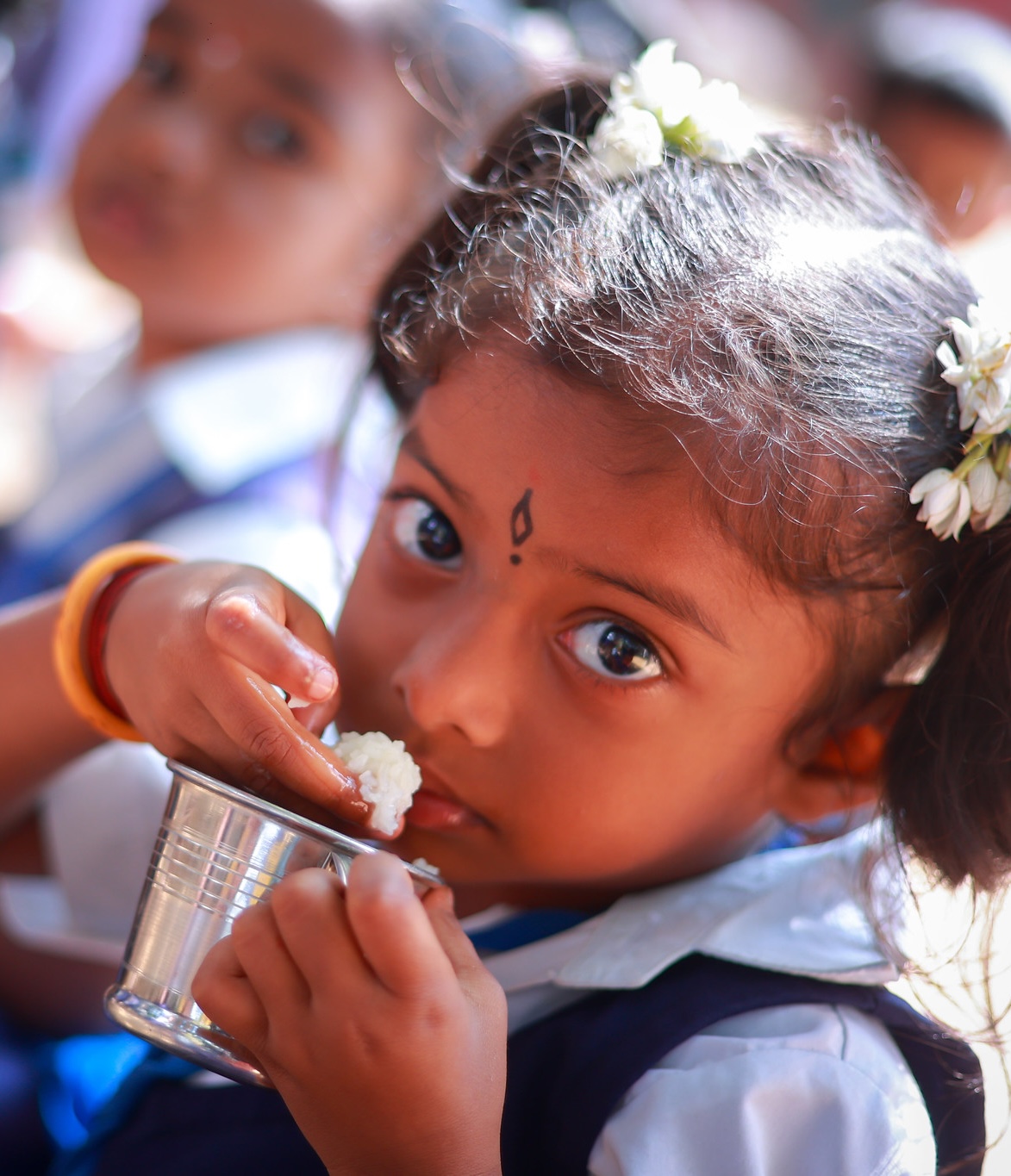
Millions of people in Malawi face food insecurity and potential starvation each year. Three-quarters of Malawi’s population lives below the international poverty line, and an estimated 35 percent of children under 5 are chronically malnourished to the point that their physical growth is impacted. The United Nation has declared Malawi one of the most at-risk nations when it comes to desertification—a devastating prospect in a country where 70 percent of the population lives on subsistence farming, most relying solely on rain to irrigate their crops.
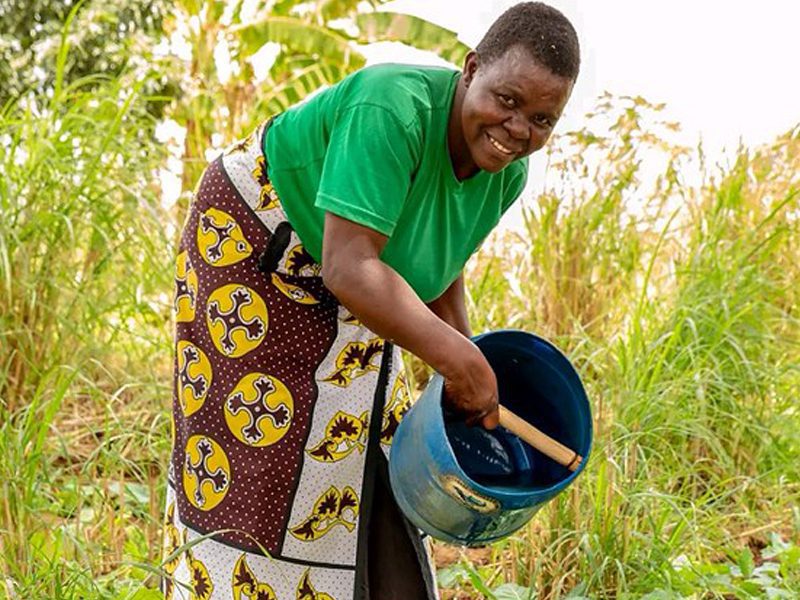
For 50 years, BGR partner Ecology Action has worked to teach the sustainable agricultural Grow Biointensive method to help farmers grow more food using fewer resources. This project expands upon previous BGR-funded work to continue to help families attain food security while reducing desertification and other climate impacts. Working from a demonstration farm in northern Malawi, the project is training 2,000 farmers, including 1,200 women, in methods such as compost making, crop management, seed production and seed banking, and food security strategies.
Millions of people in Malawi face food insecurity and potential starvation each year. Three-quarters of Malawi’s population lives below the international poverty line, and an estimated 35 percent of children under 5 are chronically malnourished to the point that their physical growth is impacted. The United Nation has declared Malawi one of the most at-risk nations when it comes to desertification—a devastating prospect in a country where 70 percent of the population lives on subsistence farming, most relying solely on rain to irrigate their crops.
For 50 years, BGR partner Ecology Action has worked to teach the sustainable agricultural Grow Biointensive method to help farmers grow more food using fewer resources. This project expands upon previous BGR-funded work to continue to help families attain food security while reducing desertification and other climate impacts. Working from a demonstration farm in northern Malawi, the project is training 2,000 farmers, including 1,200 women, in methods such as compost making, crop management, seed production and seed banking, and food security strategies.