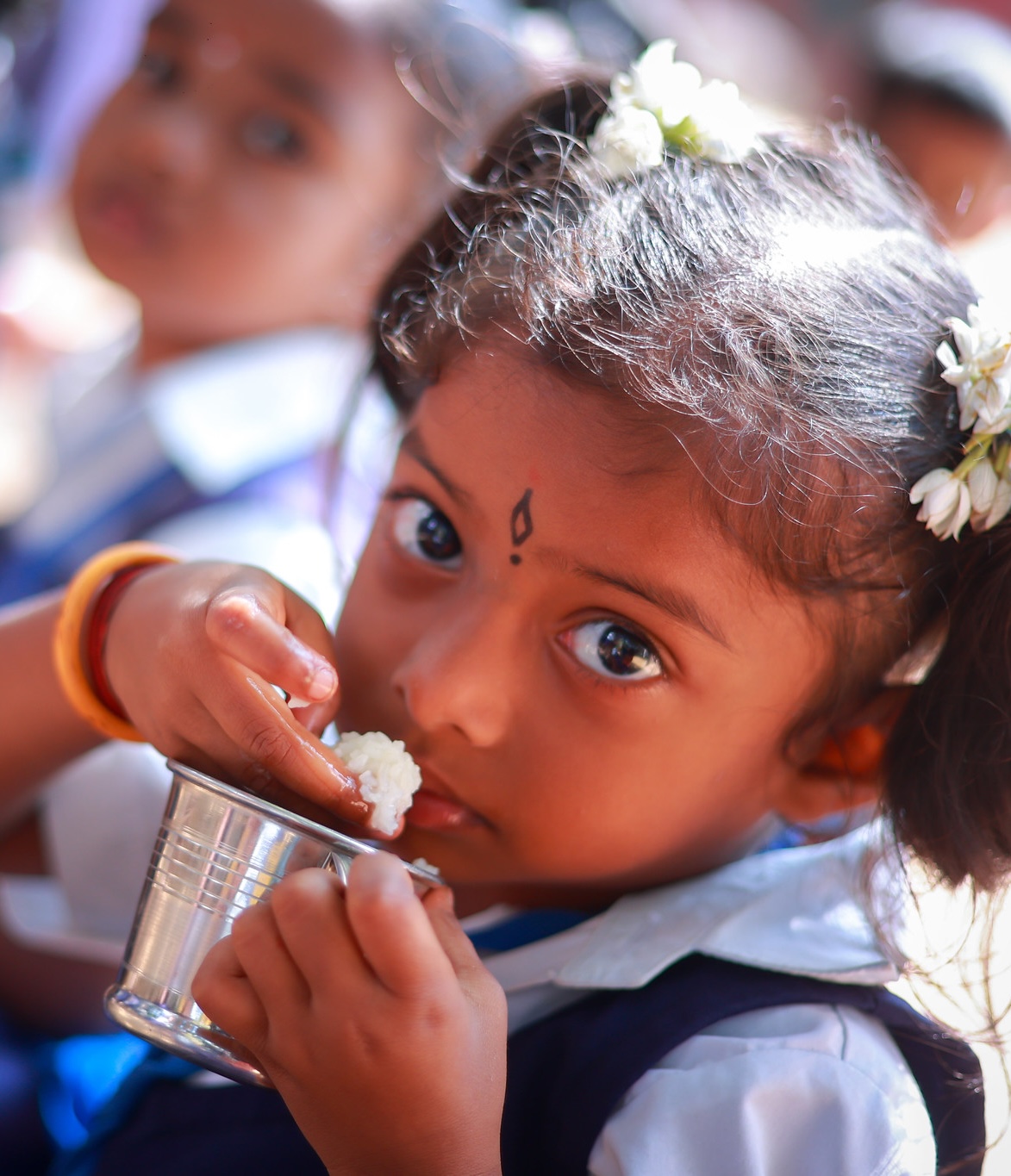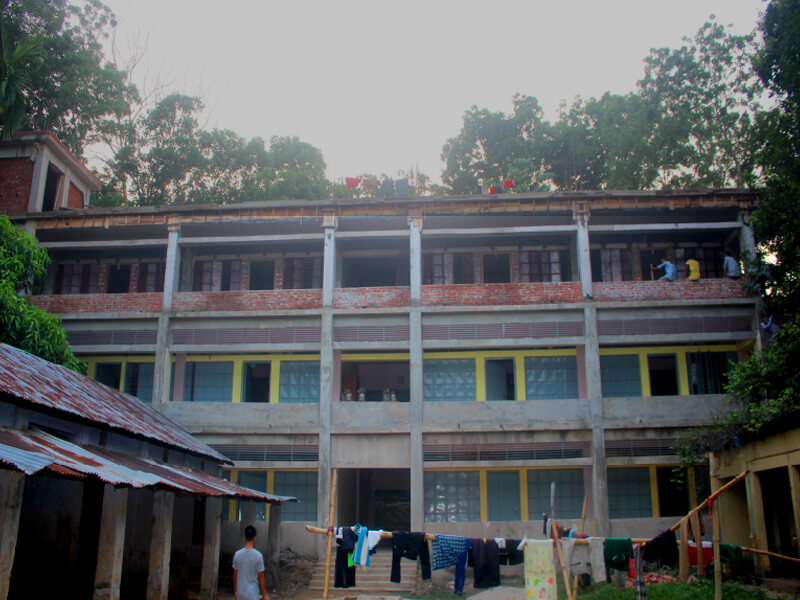
Our partner in this project, Moanoghar, was founded in 1974 by a group of Buddhist monks to provide shelter to children of Bangladesh’s Chittagong Hill Tracts affected by conflict or living in remote areas. Today Moanoghar School provides free or highly subsidized education to about 1,250 disadvantaged children from different ethnic indigenous communities of this rural, mountainous region; more than 700 of the students live on campus in twelve residential hostels. The Chittagong Hill Tracts is the poorest region in Bangladesh and has the country’s highest dropout rates, especially among girls. Despite serving a largely impoverished and rural student population, Moanoghar is among the best-performing schools in the region.
This project will create a new hill-agriculture model farm to produce fruits, vegetables, and other food for the children. Through a process of intercropping, the farm will initially produce a variety of nutritious food crops including cassava, long beans, tuber crops, pumpkin, sweet gourds, leafy vegetables, pigeon peas, papaya, plantain, pineapples, and lemons. The project will also plant cashew trees as a future sustainable source of food and income for the school. A nursery will provide seedlings for the children’s guardians and for sale to the community. The farm, nursery, and bio-compost plant will also serve as hands-on classrooms for the children as part of their agricultural-education curriculum. In addition, this project will provide food support for 650 students in Moanoghar’s twelve residential dormitories. Existing partner, new project
Our partner in this project, Moanoghar, was founded in 1974 by a group of Buddhist monks to provide shelter to children of Bangladesh’s Chittagong Hill Tracts affected by conflict or living in remote areas. Today Moanoghar School provides free or highly subsidized education to about 1,250 disadvantaged children from different ethnic indigenous communities of this rural, mountainous region; more than 700 of the students live on campus in twelve residential hostels. The Chittagong Hill Tracts is the poorest region in Bangladesh and has the country’s highest dropout rates, especially among girls. Despite serving a largely impoverished and rural student population, Moanoghar is among the best-performing schools in the region.
This project will create a new hill-agriculture model farm to produce fruits, vegetables, and other food for the children. Through a process of intercropping, the farm will initially produce a variety of nutritious food crops including cassava, long beans, tuber crops, pumpkin, sweet gourds, leafy vegetables, pigeon peas, papaya, plantain, pineapples, and lemons. The project will also plant cashew trees as a future sustainable source of food and income for the school. A nursery will provide seedlings for the children’s guardians and for sale to the community. The farm, nursery, and bio-compost plant will also serve as hands-on classrooms for the children as part of their agricultural-education curriculum. In addition, this project will provide food support for 650 students in Moanoghar’s twelve residential dormitories. Existing partner, new project