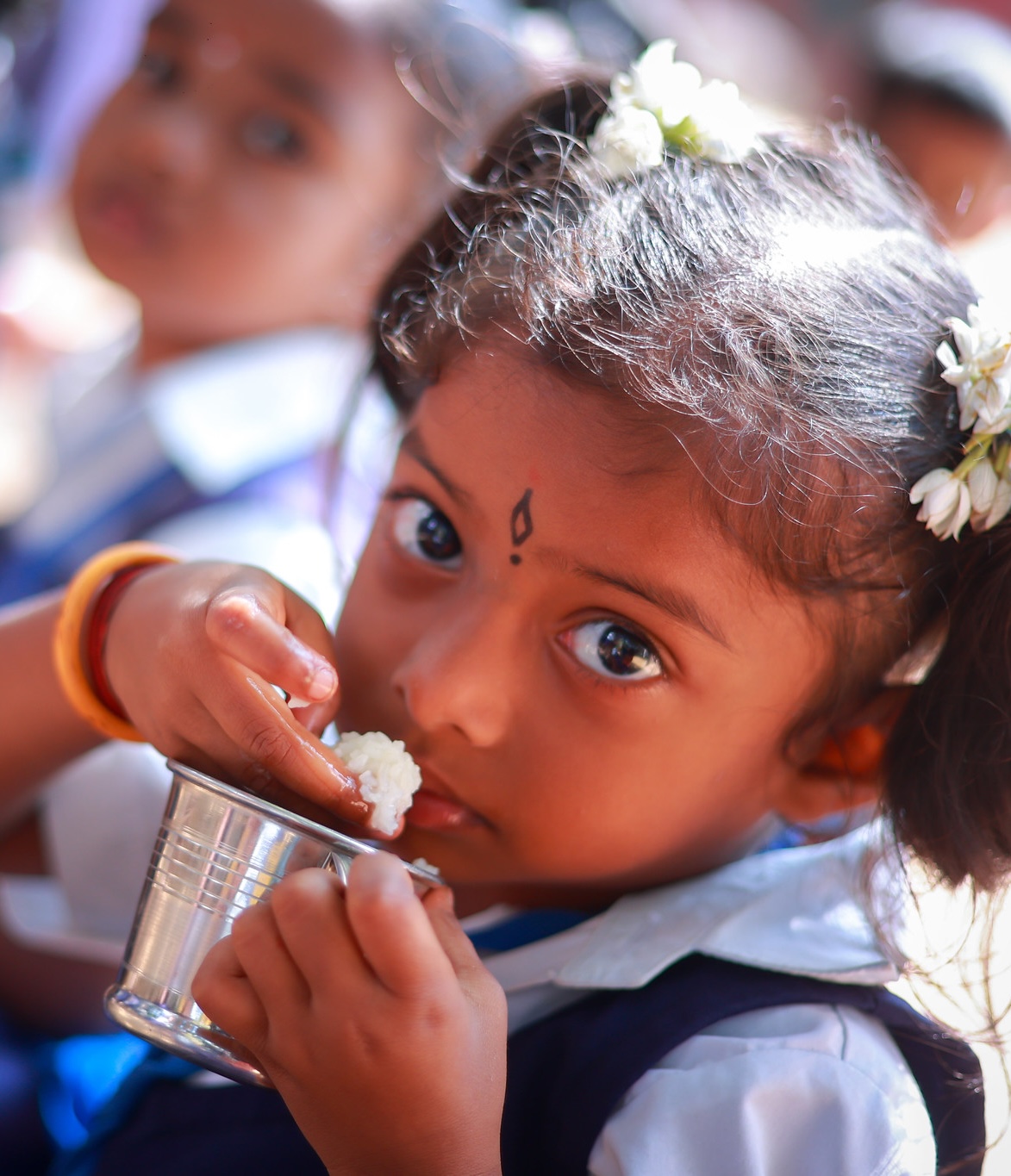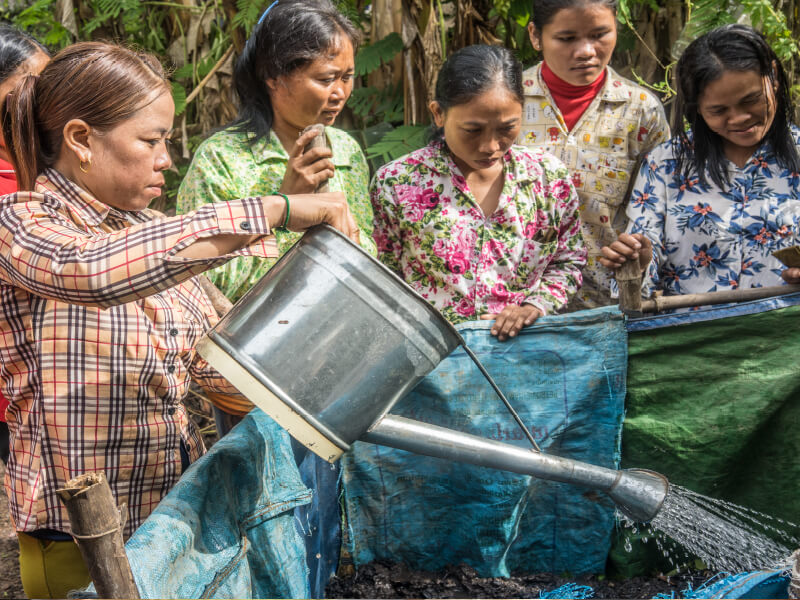
BGR partner Action Against Hunger has worked to alleviate hunger for millions of people in more than 45 countries. This project in partnership with BGR aims at improving agricultural diversification and food access in the Preah Vihear province in Cambodia. Action Against Hunger has designed the Community-Oriented Multisector Mechanism on Nutrition (COMMON) project to offer sustainable solutions to the major causes of undernutrition in the region. The project includes components addressing nutrition, water and sanitation, food security, gender equity, capacity building, advocacy, and dissemination. This grant continues BGR’s support for agricultural diversification training within the food security component, focusing on agroecology for home gardening and climate-resilient rice production. New this year is support for the construction and rehabilitation of small ponds to reduce recurrent water shortages and to store water for domestic use and homestead food production, as well as the creation of village rice banks to address food insecurity for the poorest families. Finally, the project provides education and training in gender equity issues for village women and local leaders. It is expected that the project will reach approximately 600 households, including 260 through the women’s empowerment subcomponent. Annually renewable project
BGR partner Action Against Hunger has worked to alleviate hunger for millions of people in more than 45 countries. This project in partnership with BGR aims at improving agricultural diversification and food access in the Preah Vihear province in Cambodia. Action Against Hunger has designed the Community-Oriented Multisector Mechanism on Nutrition (COMMON) project to offer sustainable solutions to the major causes of undernutrition in the region. The project includes components addressing nutrition, water and sanitation, food security, gender equity, capacity building, advocacy, and dissemination. This grant continues BGR’s support for agricultural diversification training within the food security component, focusing on agroecology for home gardening and climate-resilient rice production. New this year is support for the construction and rehabilitation of small ponds to reduce recurrent water shortages and to store water for domestic use and homestead food production, as well as the creation of village rice banks to address food insecurity for the poorest families. Finally, the project provides education and training in gender equity issues for village women and local leaders. It is expected that the project will reach approximately 600 households, including 260 through the women’s empowerment subcomponent. Annually renewable project