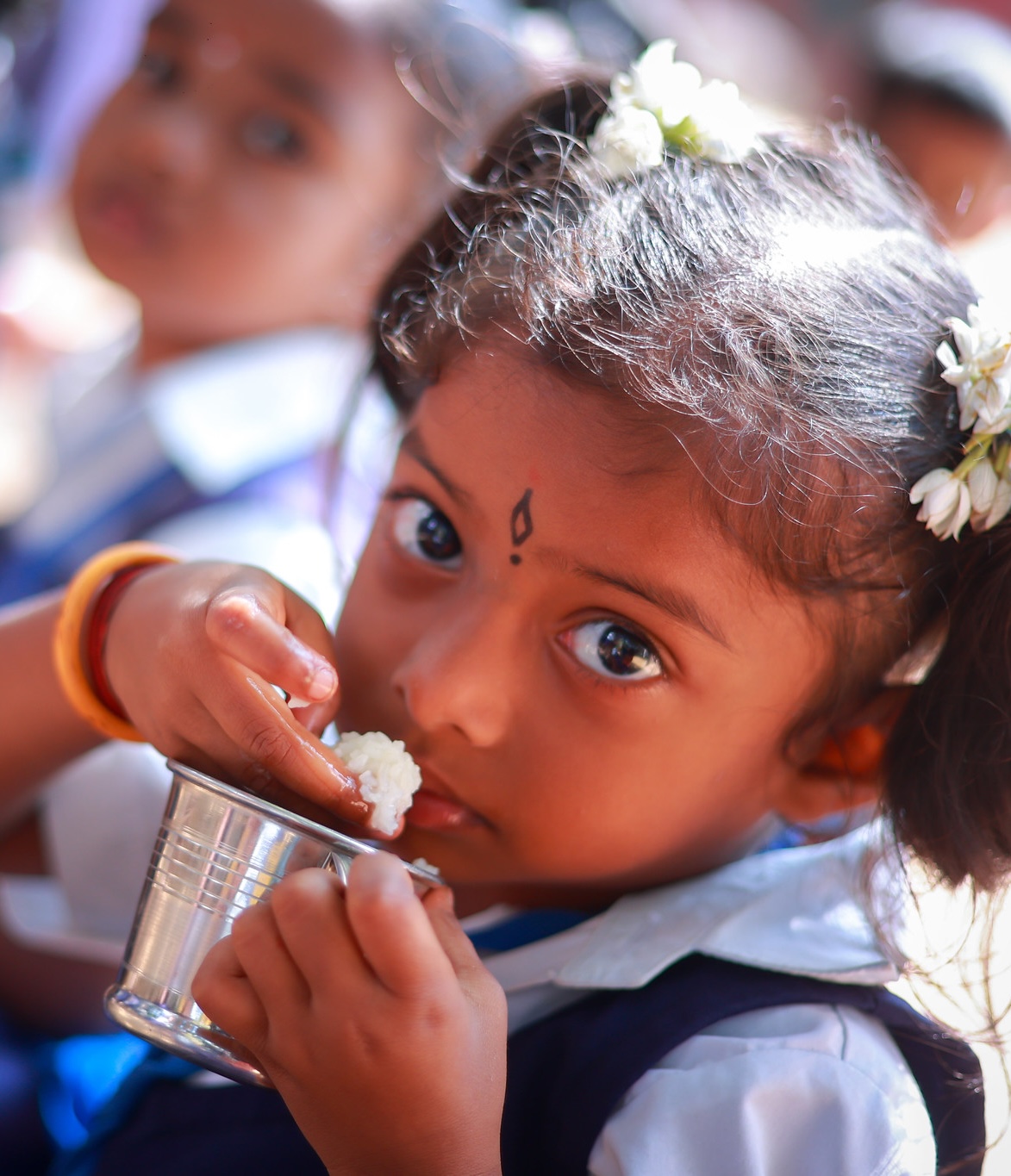
The Jamyang Foundation, founded in 1988, supports innovative education projects for Indigenous girls and women in two of the neediest and most remote parts of the world: the Indian Himalayas and the Chittagong Hill Tracts of Bangladesh.
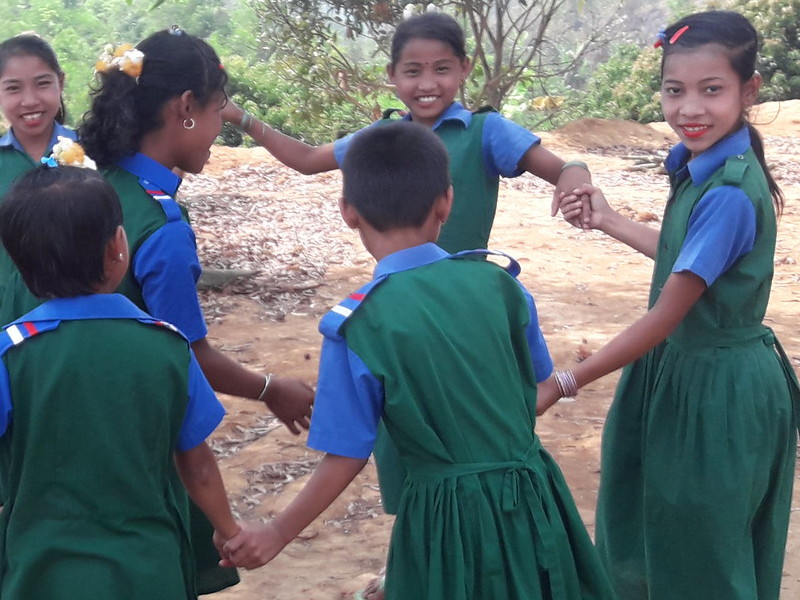
The Marma people are one of four Indigenous Buddhist groups living in hilly terrain along the Burmese border. As members of an ethnic and religious minority in a nation that is 99 percent Muslim, they live in precarious conditions of economic impoverishment and political uncertainty. The girls who study at these schools come from extremely poor families and live in very remote villages where girls have few, if any, educational opportunities. Before the founding of Visakha Girls’ School, virtually all the women in the area were unschooled and illiterate.
Currently, 130 students attend Visakha Girls’ School in classes from pre-school to Grade 5. The girls are taught by teachers from their community. Each year, about fifteen students complete Grade 5, and some of them continue their studies at a junior high school located about five miles away. Unfortunately, many of the girls have had to discontinue their education due to poverty and the long commute. By funding the building and furnishing of three new classrooms and a teachers’ office, the Expanding Education for Marma Girls project will enable girls to continue their education up to Grade 8 at Visakha Girls’ School. Existing partner, new project.
The Jamyang Foundation, founded in 1988, supports innovative education projects for Indigenous girls and women in two of the neediest and most remote parts of the world: the Indian Himalayas and the Chittagong Hill Tracts of Bangladesh.
The Marma people are one of four Indigenous Buddhist groups living in hilly terrain along the Burmese border. As members of an ethnic and religious minority in a nation that is 99 percent Muslim, they live in precarious conditions of economic impoverishment and political uncertainty. The girls who study at these schools come from extremely poor families and live in very remote villages where girls have few, if any, educational opportunities. Before the founding of Visakha Girls’ School, virtually all the women in the area were unschooled and illiterate.
Currently, 130 students attend Visakha Girls’ School in classes from pre-school to Grade 5. The girls are taught by teachers from their community. Each year, about fifteen students complete Grade 5, and some of them continue their studies at a junior high school located about five miles away. Unfortunately, many of the girls have had to discontinue their education due to poverty and the long commute. By funding the building and furnishing of three new classrooms and a teachers’ office, the Expanding Education for Marma Girls project will enable girls to continue their education up to Grade 8 at Visakha Girls’ School. Existing partner, new project.