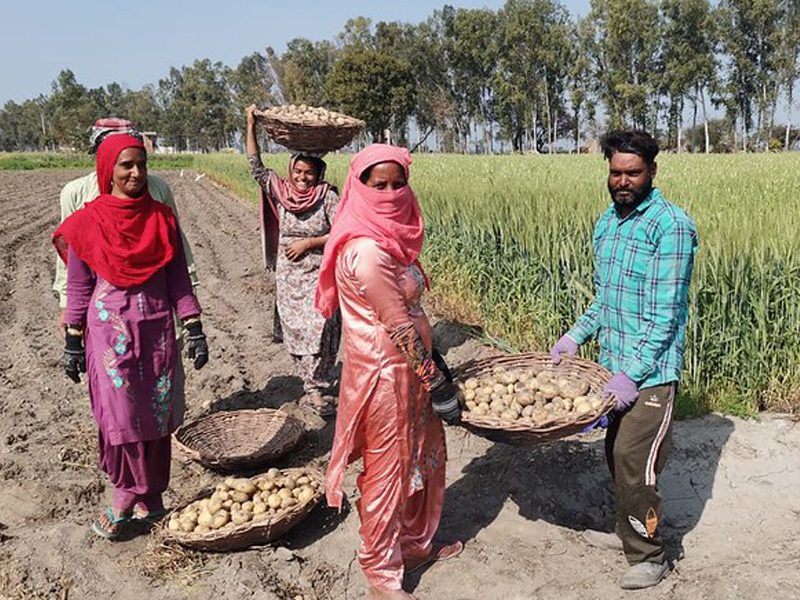
In rural Punjab, India, poor nutrition and ill health are widespread, particularly among women. Despite the state’s agricultural wealth, many women suffer from malnutrition due to poverty, limited resources, and sociocultural norms that prioritize male nutritional needs. To address these challenges, this project with BGR partner Building Bridges India trains women to grow organic vegetables that they can sell or use to prepare substantial meals that preserve essential nutrients.
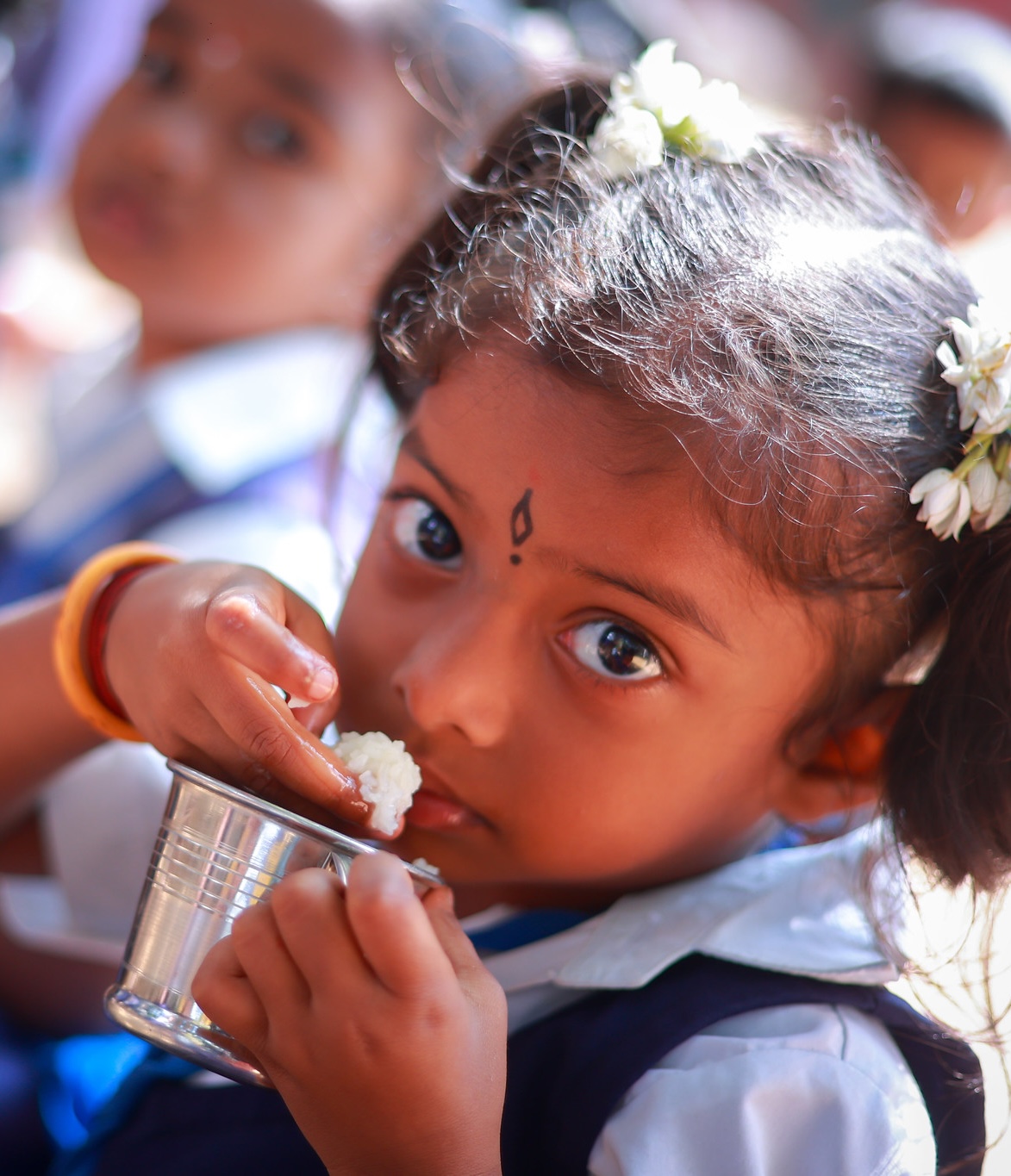
Workshops will train groups of 20 to 25 women smallholder farmers in organic farming techniques, kitchen garden planning and management, and preparation of nutrient-rich meals using locally grown produce. Participants will learn to cultivate organic vegetables, prepare food for household use and income generation, understand balanced nutrition, preserve seasonal produce through drying, and promote healthy eating within their families. This year’s project will also provide nutritious snacks to 130 preschool-age children and distribute healthy food packets to 25 vulnerable families. The project will serve 455 direct beneficiaries.
In rural Punjab, India, poor nutrition and ill health are widespread, particularly among women. Despite the state’s agricultural wealth, many women suffer from malnutrition due to poverty, limited resources, and sociocultural norms that prioritize male nutritional needs. To address these challenges, this project with BGR partner Building Bridges India trains women to grow organic vegetables that they can sell or use to prepare substantial meals that preserve essential nutrients.
Workshops will train groups of 20 to 25 women smallholder farmers in organic farming techniques, kitchen garden planning and management, and preparation of nutrient-rich meals using locally grown produce. Participants will learn to cultivate organic vegetables, prepare food for household use and income generation, understand balanced nutrition, preserve seasonal produce through drying, and promote healthy eating within their families. This year’s project will also provide nutritious snacks to 130 preschool-age children and distribute healthy food packets to 25 vulnerable families. The project will serve 455 direct beneficiaries.