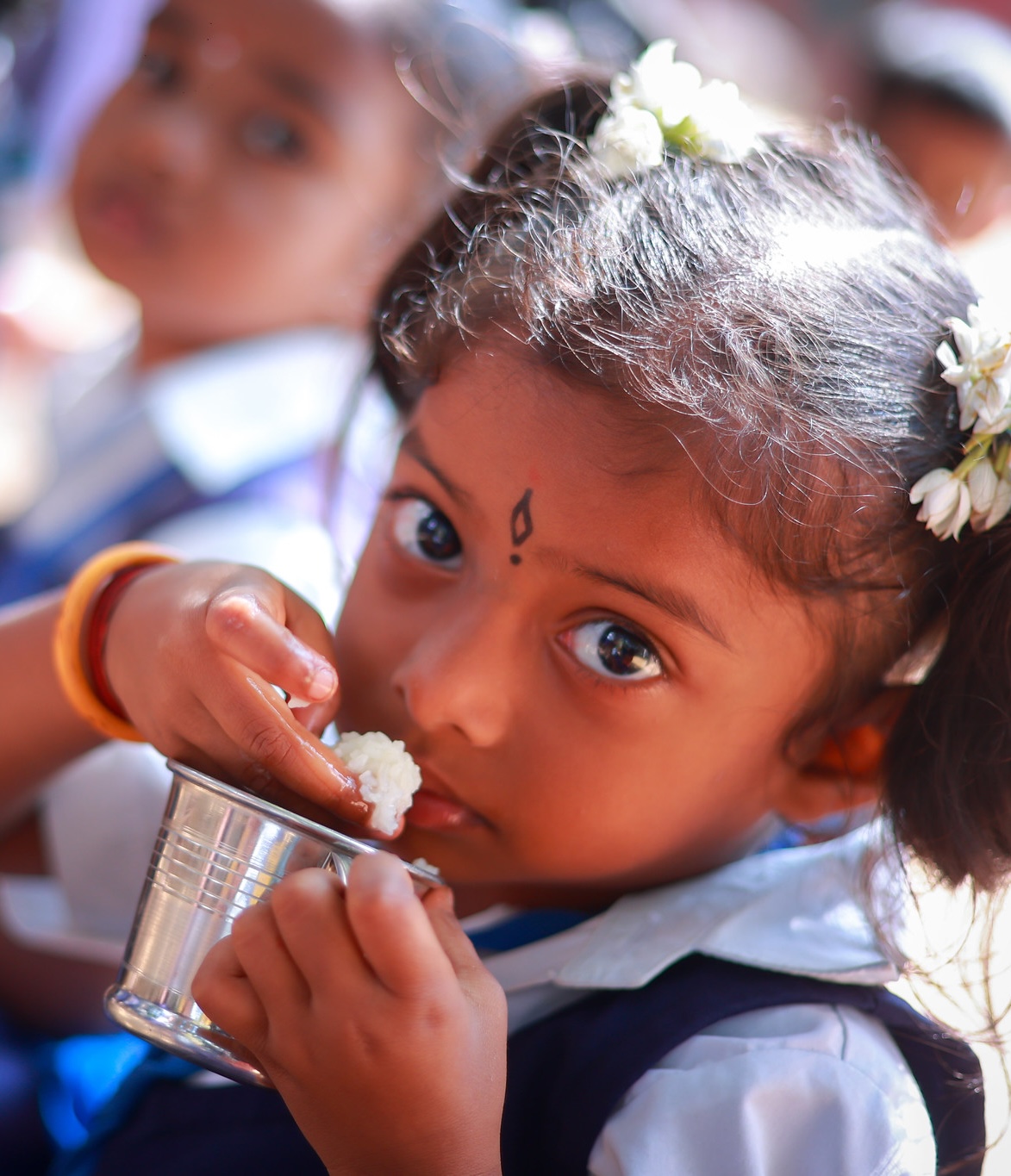
In one of the wealthiest countries in the world, there are populations disproportionately impacted by poverty, geography, and unequitable health, behavioral, and academic outcomes. Of the food-insecure households in the Greater Washington region, 42 percent have children in the household. Nearly 60 percent of children in the region qualify for free or reduced meals. Persistent childhood
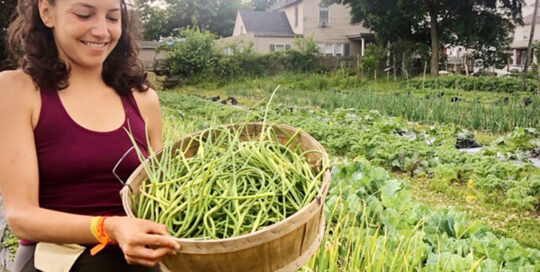
Easton Urban Farm in Easton, Pennsylvania, USA 2024
Yen Yen Lim2026-10-22T07:20:52-07:00The Easton Urban Farm, operated by the Easton Area Neighborhood Centers, is a 5/8-acre plot on which community volunteers grow vegetables, fruits, and seedlings for distribution to low-income residents of the city of Easton, Pennsylvania. In addition to providing over 7,000 pounds of nutritious, locally grown produce to food-insecure families each year, the farm also

‘Food Pharmacy’ for Diabetes Patients in Washington, D.C., USA 2024
Yen Yen Lim2026-10-22T07:21:11-07:00At Children’s National Hospital (CNH) in Washington, D.C., Type 2 diabetes diagnoses rose 182 percent during the first year of the Covid pandemic, compared to the prior two years. A CNH needs assessment found that two-thirds of the 5,000 children cared for at the hospital’s Diabetes Care Complex are food insecure. In October 2021,
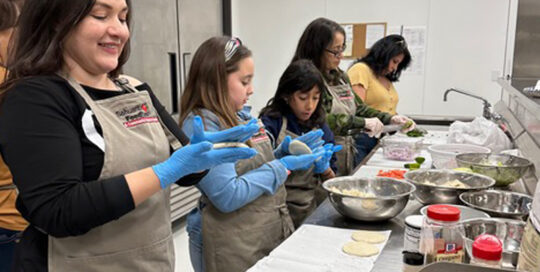
Food for Low-Income Children and Families in Pima County, Arizona, USA 2024
Yen Yen Lim2026-10-22T07:21:27-07:00BGR partner the Sahuarita Food Bank and Community Resource Center serves the low-income population of southeastern Pima County, Arizona, a mostly rural area. This project will address poverty in Summit, Arizona, a small community with a household poverty rate of 23 percent, one of the three lowest income rural communities in Arizona. This project focuses on
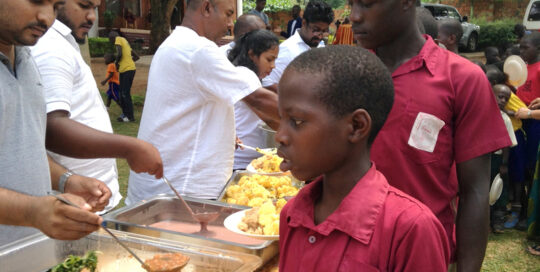
Hunger Relief and Education for Orphans in Uganda 2024
Yen Yen Lim2026-10-22T07:21:43-07:00In the village of Bulega in southern Uganda, BGR partner Uganda Buddhist Centre (UBC) has established a feeding program to care for some of the many children here who have been orphaned due to parental HIV/AIDS or other illnesses, accidents, abandonment, or conflict-related violence. The orphaned children are at significant risk of maltreatment, exploitation, and sexual
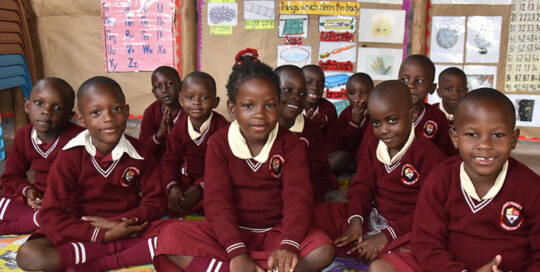
Peace School Education Program in Uganda 2024
Yen Yen Lim2026-10-22T07:21:59-07:00The Peace School in Bulega, Uganda, was launched in 2008 by Uganda Buddhist Centre founder and abbot the Most Venerable Bhikkhu Buddarakkhita with the aim of providing a high-quality early childhood education program for local children. This project currently supports the education of twelve children. In addition to the Uganda National Curriculum, the school provides mindfulness-based
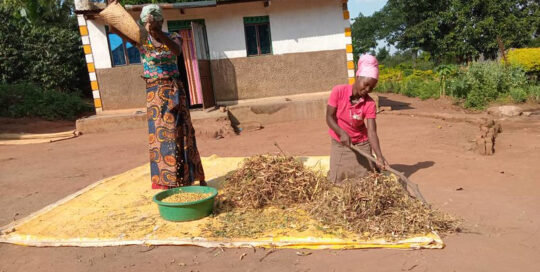
Women’s Livelihoods and Climate-Smart Agriculture in Uganda 2024
Yen Yen Lim2026-10-22T07:22:13-07:00In the rural Zombo District of Uganda, more than 90 percent of residents depend on small-scale agriculture for their livelihoods; a majority of these farmers are women who rely on agricultural production to feed their families and earn income by selling crops at local markets. Land degradation, poor soil health, and high dependence on

In-School Nutrition Services in Tanzania 2024
Yen Yen Lim2026-10-22T07:22:24-07:00More than 30 percent of children in Tanzania suffer from stunting, an indicator of prolonged poor nutrition, repeated infections, and inadequate psychosocial stimulation. A large proportion of children and women of reproductive age suffer anemia, which affects 59 percent and 48 percent of children below 5 years of age and women of reproductive age respectively. Tanzania is still far

Supporting Children Orphaned by HIV/AIDS in Tanzania 2024
Yen Yen Lim2026-10-22T07:22:36-07:00Tanzania is home to 1.7 million people who have been affected by HIV/AIDS, with approximately 860,000 children (ages infant to 17 years) orphaned because of this disease. Ostracized by society, many of these children are abandoned to the streets, leaving them vulnerable to sexual abuse and to being controlled by drug dealers. Others have been taken in by caregivers

Pure Water for All in Sri Lanka 2024
Yen Yen Lim2026-10-22T07:22:52-07:00Among Sri Lankan paddy farmers, water contaminated by agrochemicals is causing an epidemic of Chronic Kidney Disease unidentified (CKDu). Over 23,000 deaths have been reported from this virulent disease in the last two decades, and due to missed diagnoses the number may be far higher. The majority of victims are middle-aged men who are