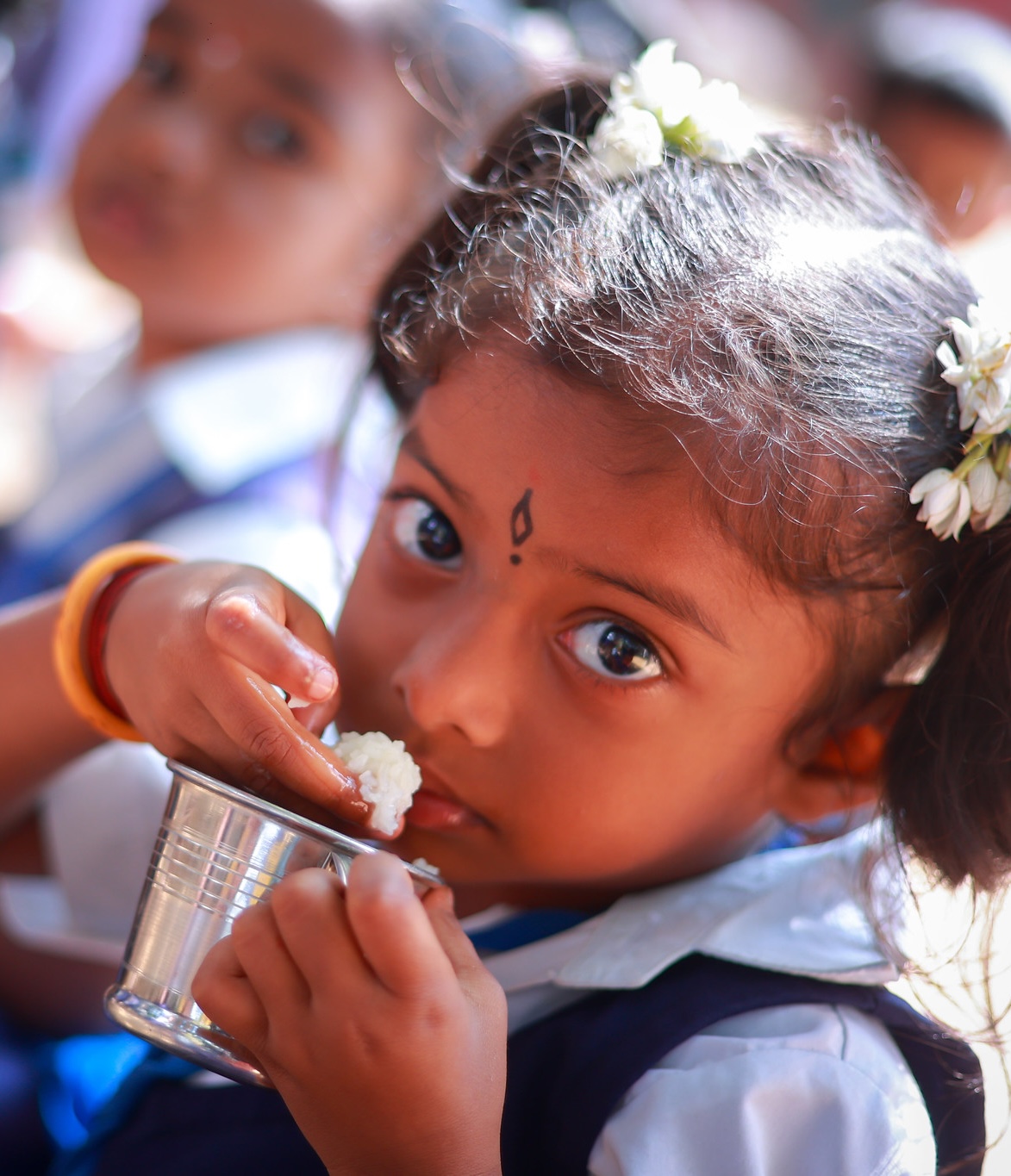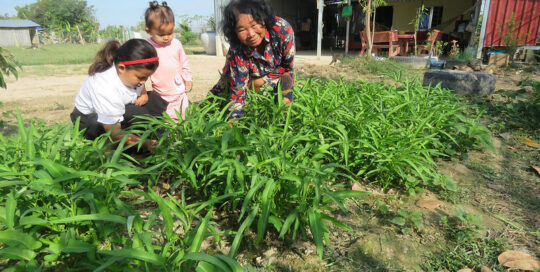
This project with long-term BGR partner Rachana aims to improve food security, health, gender equity, children’s educational opportunities, and living conditions for poor families and vulnerable individuals in rural Cambodia. While Cambodia has made great progress in reducing poverty over the past decade, extreme poverty remains widespread. The Covid pandemic increased food insecurity among
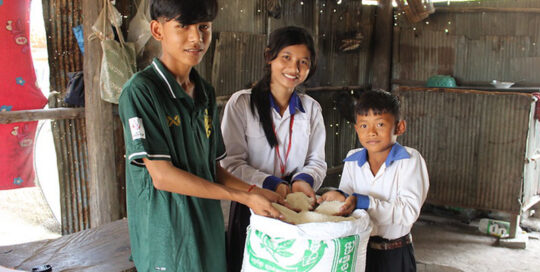
Rice 4 Education Project in Cambodia 2024
Yen Yen Lim2024-10-07T02:37:57-07:00Lotus Outreach International (LOI), a trusted BGR partner since 2009, works to improve the lives of women and girls in Cambodia and India through initiatives that increase girls’ access to education. The organization also provides counseling and safe havens for victims of trafficking and domestic violence, and supports women’s economic empowerment through skills training
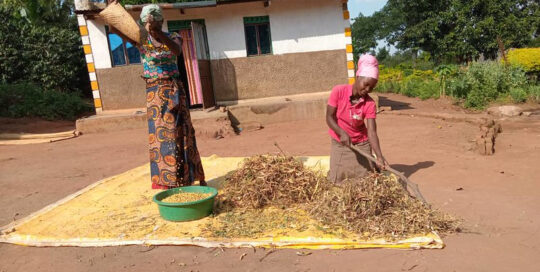
Women’s Livelihoods and Climate-Smart Agriculture in Uganda 2024
Yen Yen Lim2024-09-16T08:09:34-07:00In the rural Zombo District of Uganda, more than 90 percent of residents depend on small-scale agriculture for their livelihoods; a majority of these farmers are women who rely on agricultural production to feed their families and earn income by selling crops at local markets. Land degradation, poor soil health, and high dependence on
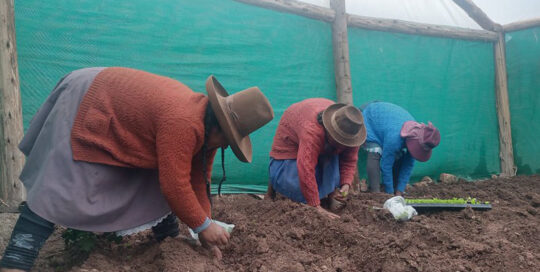
Agricultural Training for the Cultivation of Nutritious Vegetables and Fruits in Peru 2024
Yen Yen Lim2024-09-16T08:09:34-07:00BGR partner Wawasonqo of Cusco, Peru, has been working since 2006 to break the cycle of poverty that affects 24 percent of Cusco’s population. Wawasonqo focuses its efforts on three pillars: education, nutrition, and health. The aim of this BGR-sponsored project is to address malnutrition among poor rural families in the Chaquepay peasant community in the
Empowering Women Farmers in Mozambique 2024
Yen Yen Lim2024-11-04T18:27:19-08:00Mozambique ranks 185th out of 191 countries on the United Nations Development Programme’s Human Development Index. The economy in Mozambique is primarily based on agriculture, a sector whose labor force is nearly 90 percent women. In Inhambane province, the food security of approximately 125,000 people has reached “crisis” level, meaning that many households are not consuming enough food and
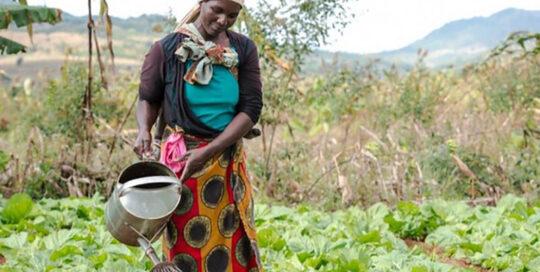
Grow Biointensive Sustainable Agriculture Program in Malawi 2024
Yen Yen Lim2024-11-05T18:16:21-08:00Millions of people in Malawi face food insecurity and potential starvation each year. More than half of Malawi’s population lives below the poverty line, and an estimated 37 percent of children under 5 are chronically malnourished. The United Nation has declared Malawi one of the most at-risk nations when it comes to desertification—a devastating
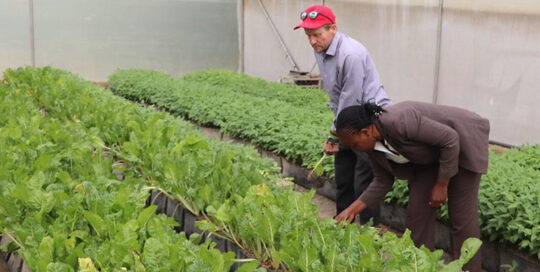
Urban Farming for Improved Nutrition and Food Security in Kenya 2024
Yen Yen Lim2024-09-16T08:10:00-07:00This project is designed to address the critical issue of malnutrition among children in the vulnerable population of Mukuru slums, Nairobi. With stunting rates as high as 32 percent and a significant prevalence of Global Acute Malnutrition (GAM), the community faces severe health challenges exacerbated by poverty and inadequate access to nutritious diets and clean water. This
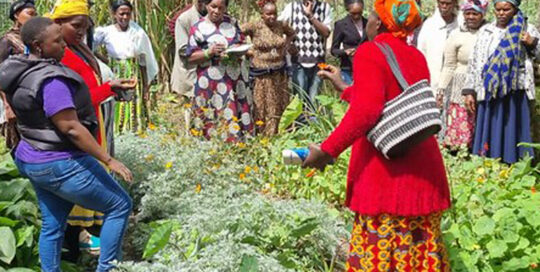
Sustainable Livelihoods Program for Farmers in Kenya 2024
Yen Yen Lim2024-09-16T08:10:00-07:00This project with BGR partner the Grow Biointensive Agriculture Centre of Kenya (G-BIACK) has been created to address food insecurity and malnutrition and to raise the income of poor farmers in parts of Kiambu and Machakos Counties, areas that are predominantly inhabited by the Kikuyu and Kamba tribal communities, respectively. Building on previous BGR–G-BIACK partnerships, the
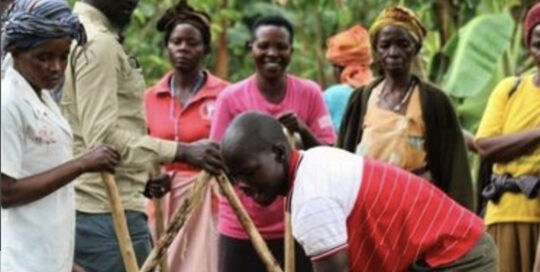
Farmers’ Alliance for Permaculture in Kenya 2024
Yen Yen Lim2024-11-05T19:15:55-08:00In Kenya’s highly populated Kisumu County, a lack of diversified crop and livestock production has resulted in food insecurity and low income, leading to limited livelihoods and inadequate nutrition. Poor soils that have been degraded by erosion and the use of synthetic pesticides exacerbate these problems. A project led by new BGR partner the
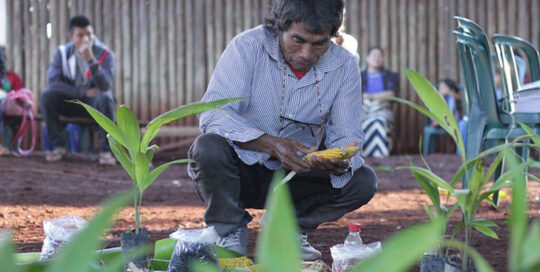
Food Sovereignty Through Traditional Agriculture for Indigenous Communities in Brazil 2024
Yen Yen Lim2024-11-05T18:15:38-08:00The Guarani are traditional peoples of the Brazilian Atlantic Forest and live in villages scattered throughout southern Brazil and neighboring countries. Centuries of colonization have resulted in the loss or degradation of much of their historic territory. Today, the Guarani are working to restore these lands, through planting and reforestation projects. This project with