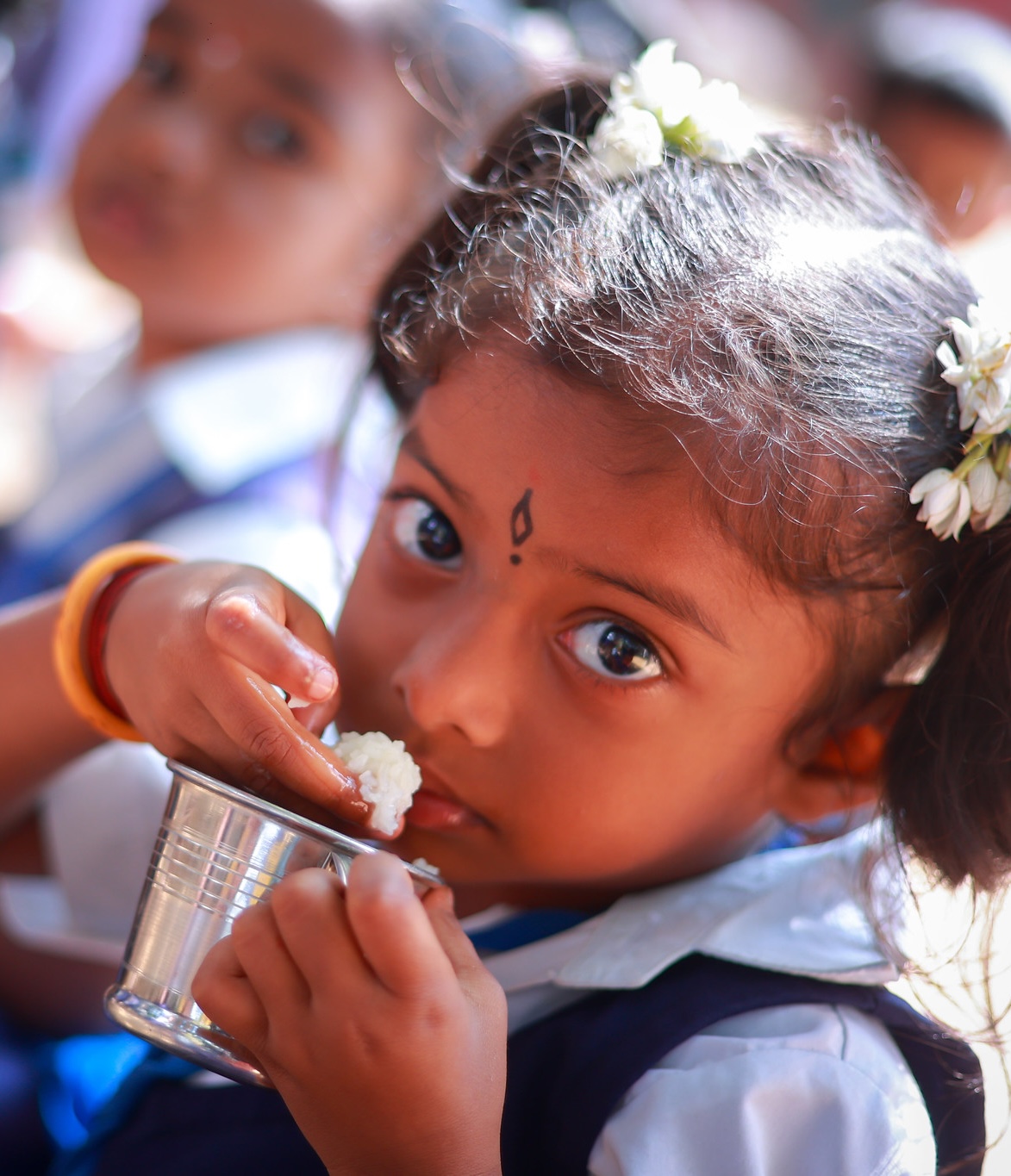
More than 30 percent of children under 5 in Tanzania suffer from stunting, an indicator of chronic undernutrition. A large proportion of children and women of reproductive age suffer anemia, which affects 59 percent of children below 5 years of age and 48 percent of women of reproductive age respectively. Despite national efforts to improve nutrition, many school-age children lack access to regular and nutritious meals during the school day.
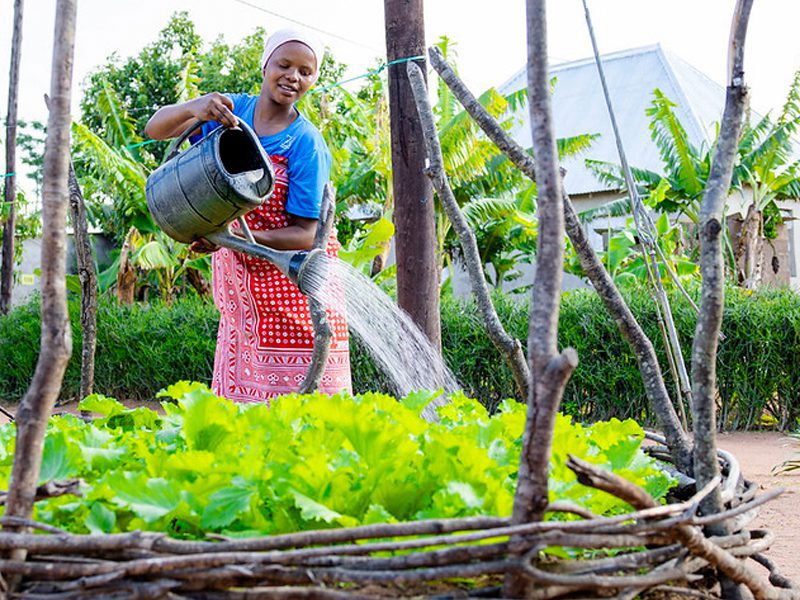
This project with BGR partner Action Against Hunger addresses these issues through its Equip for In-School Nutrition Services project. This project targets in-school adolescent boys and girls, children under 5, and marginalized women of reproductive age in rural communities by enhancing community initiatives to improve agricultural production, sustain school feeding programs, and effectively improve dietary diversification at the household and individual levels. This program provides nutrition support and training for 12,980 beneficiaries and 3,400 family members of school-age children and pregnant and lactating women.
More than 30 percent of children under 5 in Tanzania suffer from stunting, an indicator of chronic undernutrition. A large proportion of children and women of reproductive age suffer anemia, which affects 59 percent of children below 5 years of age and 48 percent of women of reproductive age respectively. Despite national efforts to improve nutrition, many school-age children lack access to regular and nutritious meals during the school day.
This project with BGR partner Action Against Hunger addresses these issues through its Equip for In-School Nutrition Services project. This project targets in-school adolescent boys and girls, children under 5, and marginalized women of reproductive age in rural communities by enhancing community initiatives to improve agricultural production, sustain school feeding programs, and effectively improve dietary diversification at the household and individual levels. This program provides nutrition support and training for 12,980 beneficiaries and 3,400 family members of school-age children and pregnant and lactating women.