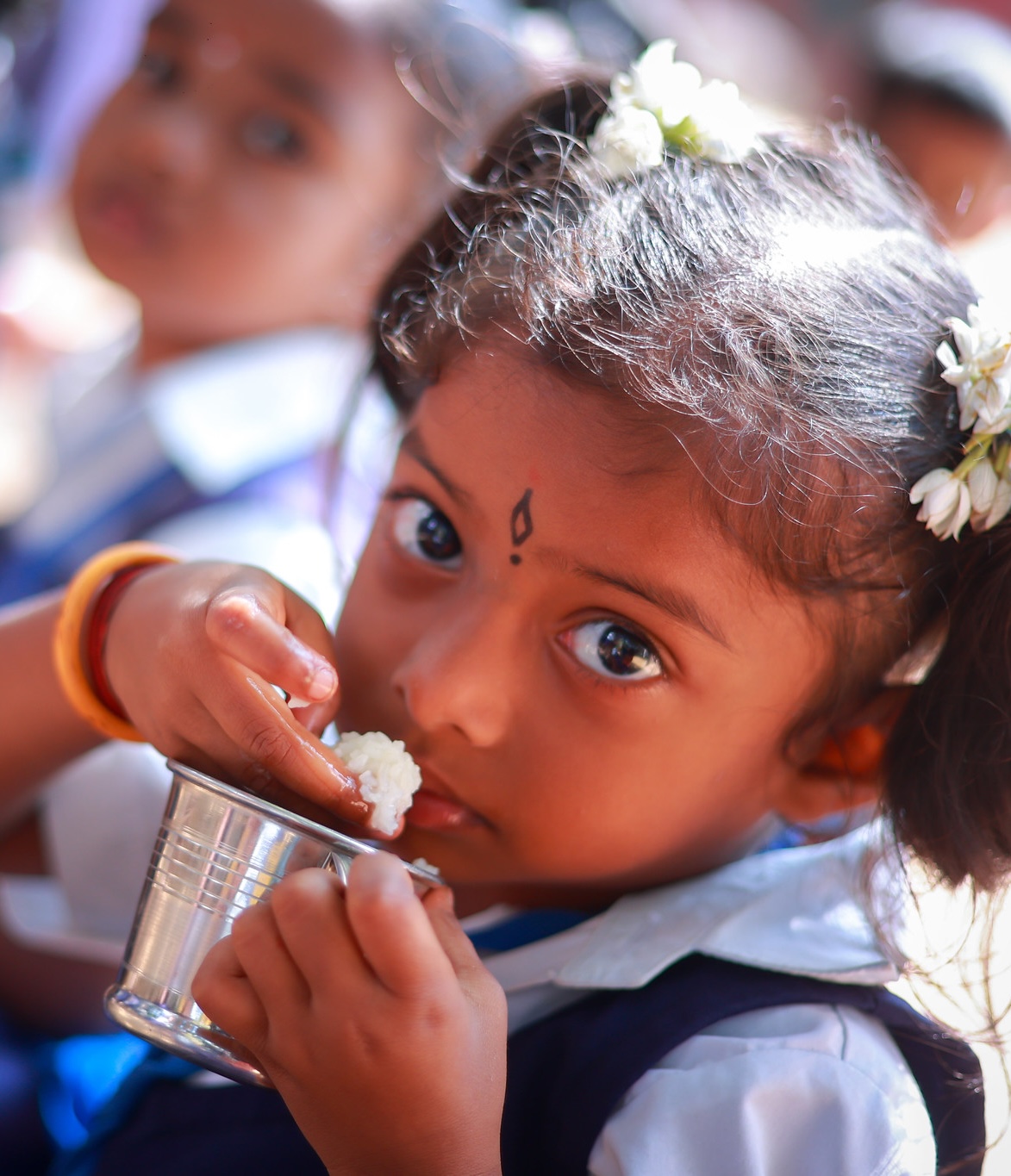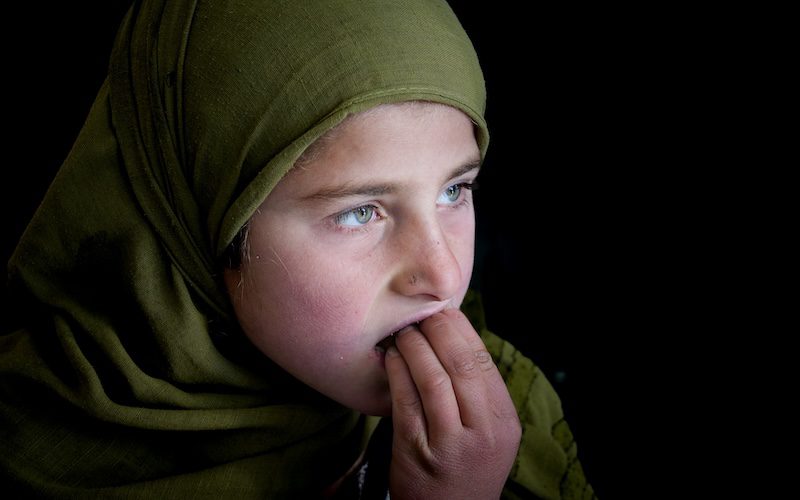
In Afghanistan, which relies on Iran for more than half of its international trade, fallout from the conflict in the Middle East is predicted to push 2.3 million additional people into food insecurity. Photograph © WFP/Mohammad Hasib Hazinyar.
By Patricia Brick, BGR Staff
Note: The geopolitical situation surrounding the closure of the Strait of Hormuz continues to evolve. The June 14 signing of a memorandum of understanding (MOU) between the U.S. and Iran resulted in a ceasefire and an agreement to open the Strait of Hormuz to commercial traffic, but as of June 21, the status of the Strait was unclear.
On February 28 of this year, the U.S. and Israel launched Operation Epic Fury in Iran. By the time a ceasefire was declared, on June 14, the war had cost some $132 billion and taken the lives of an estimated 1,700 Iranian civilians, including more than 100 schoolchildren who were killed when the first day of the American assault struck a girls’ elementary school in southern Iran.
But the war’s tragic impacts are not limited to those suffered in Iran. Among the most devastating of these is a surge in the number of people facing crisis levels of hunger worldwide. Even if the ceasefire holds, the effects of the war’s closure of the Strait of Hormuz are likely to continue to resonate throughout the coming year.
At the start of 2026, 318 million people around the globe—about 4 percent of the world’s population—faced crisis levels of hunger. In the wake of the U.S. attacks, Iran closed the Strait of Hormuz, a major trade route, launching a cascade of globally disruptive consequences. By mid-March, the U.N. World Food Programme (WFP) had projected that Operation Epic Fury, along with its Israeli counterpart operations in Lebanon, would result in an additional 45 million people around the world experiencing acute food insecurity or even extreme acute malnutrition and starvation. The impacts are likely to be highest in Asia, where a 24 percent increase in food insecurity is predicted, and in sub-Saharan Africa, where increases of 17 to 21 percent are predicted.
In April, the Integrated Food Security Phase Classification (IPC) released analyses of food insecurity in Lebanon projecting that 1.24 million people could experience high levels of acute food insecurity between April and July 2026, an increase of 366,000 over the previous six months.
On June 5, a new WFP analysis reported that the war’s impacts on hunger were proving to be even more dire than previously predicted. Soaring prices of food, fuel, and fertilizer, along with disruptions to trade and to the food supply chains, had plunged millions of the world’s most vulnerable people into crisis levels of hunger.
The report, Food Security Under Pressure: How the Middle East Crisis is Impacting Vulnerable Countries, found that since the start of the Iran conflict on February 28, hunger and food insecurity have risen sharply in Somalia, where 2.5 million additional people are likely to be unable to meet their basic food needs; Sri Lanka (1.3 million additional people); and Afghanistan (2.3 million additional people).
In Somalia, which imports 100 percent of its fuel and 90 percent of its grain, 33 percent of the population now faces severe hunger, with 10 percent (2 million people) experiencing emergency levels of food insecurity. The WFP predicts that in 2026, 60 percent of the Somali population could experience food insecurity, up from 47 percent in 2025.
In Afghanistan, which relies heavily on Iran for trade, 36 percent of the population is facing severe hunger and 10 percent (4.7 million people) experiencing emergency levels.
In Sri Lanka, where 63 percent of the population’s energy needs and nearly 100 percent of its fertilizer are imported, 13 percent of the population is facing moderate or severe food insecurity.
The June 14 ceasefire agreement included a provision to reopen the Strait of Hormuz, at least for a 60-day period during which the two countries “commit to negotiating and achieving the final deal,” according to the agreement, but since that time the geopolitical situation in the region has continued to evolve. As of June 21, the status of commercial traffic through the Strait was uncertain, with the Iranian military announcing the closure of the Strait while the U.S. government claimed the passage was open.
Whether or not the agreement holds, the impacts of the closure of the Strait of Hormuz during the critical spring planting season are likely to be felt throughout the coming year. Nearly 30 percent of global fertilizer trade passes through the Strait, and as a result prices have risen drastically, far exceeding the rise in food prices. This has already set in motion a chain of impacts: Farmers are unable to afford to buy fertilizer, which will result in lower crop yields this year, leading to additional food shortages in a market already strained by high fuel prices and trade disruptions. In Myanmar, for example, where one in four people is acutely food insecure, farmers are purchasing less fertilizer for the monsoon-season planting period, at levels that could cause an up to 15 percent decrease in the country’s agricultural yields.
“The Strait of Hormuz’s importance extends beyond energy. It is a vital conduit for the nutrients that sustain global food production, including nitrogen, phosphorus, and sulfur. Disrupting that flow creates immediate and severe consequences. Agricultural production operates on biological timelines that cannot be delayed. Planting seasons proceed regardless of geopolitical developments,” said Máximo Torrero Cullen, Food and Agriculture Organization chief economist.
This escalating crisis happens at a moment when international humanitarian aid has been severely cut by the U.S. and other rich countries. When the Trump administration eliminated USAID, it gutted the U.S.’s funding for global humanitarian aid. In 2024, the U.S. contributed $14 billion in global humanitarian aid; in 2025, the figure was $4 billion, and the current figure for 2026 is just under $5 billion.