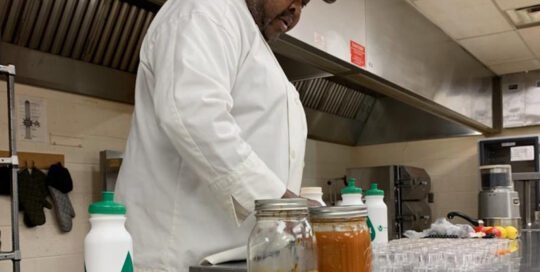
In 2024, more than two-thirds of households in Detroit, Michigan, experienced food insecurity, and 30,000 residents lacked access to full-service grocery stores and therefore to readily obtained fresh food. Furthermore, grocery prices in the U.S. have increased by 23.6 percent over the past four years, putting additional financial pressure on many families. To respond to

Community Resilience Through Urban Farming in Easton, Pennsylvania 2025
Patricia Brick2026-10-22T07:05:26-07:00The Easton Urban Farm, operated by the Easton Area Neighborhood Center, is a 5/8-acre plot on which community volunteers grow vegetables, fruits, and seedlings for distribution to low-income residents of the city of Easton, Pennsylvania. In addition to providing over 10,000 pounds of nutritious, locally grown produce to food-insecure families each year, the farm also teaches
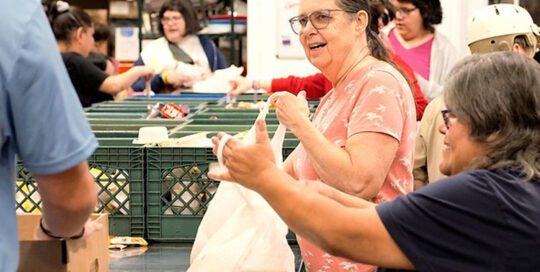
Food for Low-Income Children and Families in Pima County, Arizona 2025
Patricia Brick2026-10-22T07:05:39-07:00BGR partner the Sahuarita Food Bank and Community Resource Center serves the low-income population of southeastern Pima County, Arizona, a mostly rural area. This project will address poverty in Summit, Arizona, a small community with a household poverty rate of 32 percent, the lowest income rural community in Arizona, where many live without electricity or water and

After-School and Summer Meals Program in Washington, D.C. 2025
Patricia Brick2026-10-22T07:05:50-07:00In one of the wealthiest countries in the world, there are populations disproportionately impacted by poverty, geography, and unequitable health, behavioral, and academic outcomes. In the Greater Washington, D.C., region, 37 percent of the population is food insecure, including one in ten children. Persistent childhood food insecurity can lead to chronic health issues such as asthma,
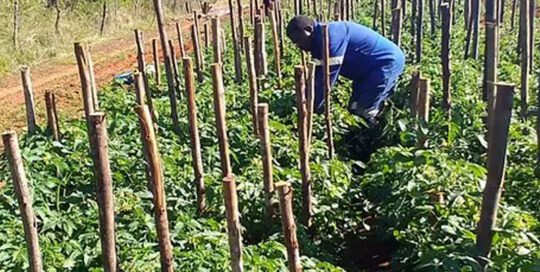
Victory Gardens for Peace Training Program for African Farmers 2025
Patricia Brick2026-10-22T07:07:19-07:00The world is rapidly running out of farmable soil. What’s left has been rendered toxic with pesticides and overfarmed, resulting in produce that is low in nutrition at best, and poisonous at worst. The impact on food supply is potentially devastating, as recent studies have found that high-yield staple crops such as potatoes and tomatoes
Victory Gardens for Peace Training Program for African Farmers 2025
Patricia Brick2026-10-22T07:11:15-07:00The world is rapidly running out of farmable soil. What’s left has been rendered toxic with pesticides and overfarmed, resulting in produce that is low in nutrition at best, and poisonous at worst. The impact on food supply is potentially devastating, as recent studies have found that high-yield staple crops such as potatoes and tomatoes