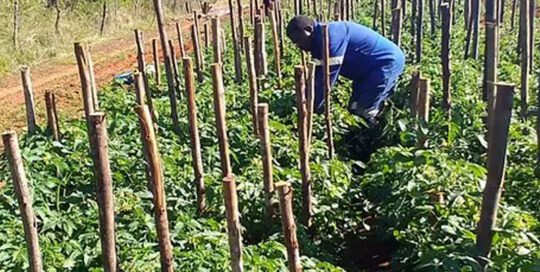
The world is rapidly running out of farmable soil. What’s left has been rendered toxic with pesticides and overfarmed, resulting in produce that is low in nutrition at best, and poisonous at worst. The impact on food supply is potentially devastating, as recent studies have found that high-yield staple crops such as potatoes and tomatoes
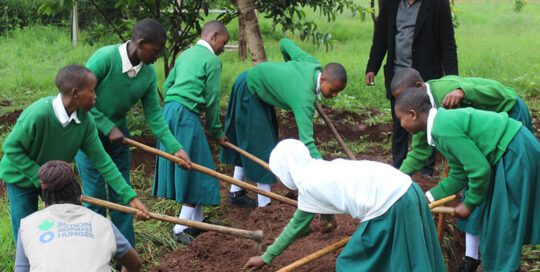
In-School Nutrition Services in Tanzania 2025
Patricia Brick2026-10-22T07:07:30-07:00More than 30 percent of children in Tanzania suffer from stunting, an indicator of prolonged poor nutrition, repeated infections, and inadequate psychosocial stimulation. A large proportion of children and women of reproductive age suffer anemia, which affects 59 percent and 48 percent of children below 5 years of age and women of reproductive age respectively. Tanzania is still far from realizing
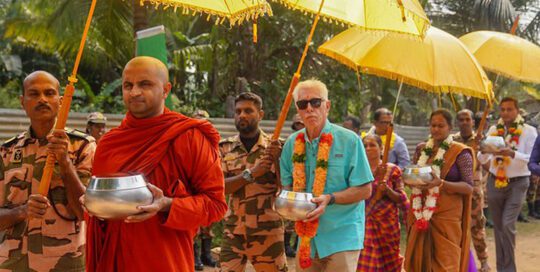
Food Scholarships for Children in Sri Lanka 2025
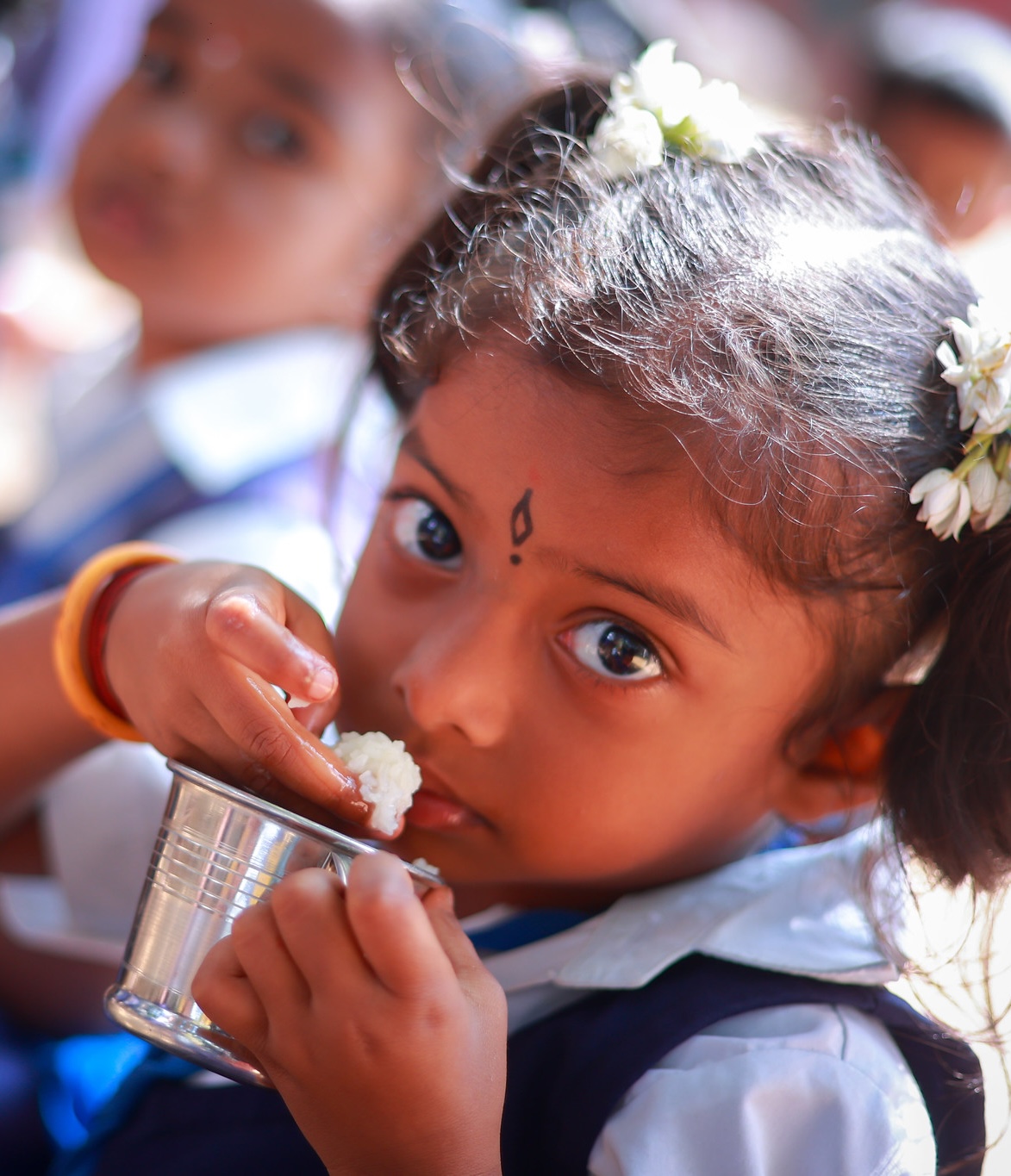
Patricia Brick2026-10-22T07:07:44-07:00The economic crisis in Sri Lanka has resulted in an estimated 2.9 million children requiring humanitarian assistance—food, water, education, water and sanitation, and protection. In response to this critical situation, a project with BGR partner the Shraddha Charity Organization is providing daily nutrition-fortified lunches to schoolchildren in the impoverished Seruwila Maha Vidyalaya village. This project provides meals
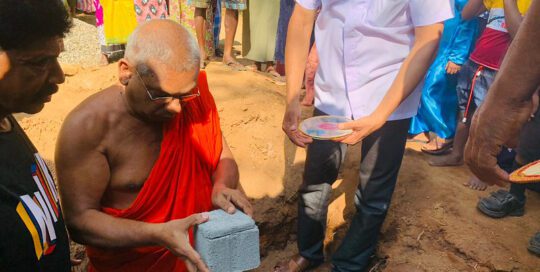
Pure Water for All in Sri Lanka 2025
Patricia Brick2026-10-22T07:07:56-07:00Among Sri Lankan paddy farmers, water contaminated by agrochemicals is causing an epidemic of chronic kidney disease (CKDu). Over 23,000 deaths have been reported from this virulent disease in the last two decades, and due to missed diagnoses the number may be far higher. The majority of victims are middle-aged men who are the sole
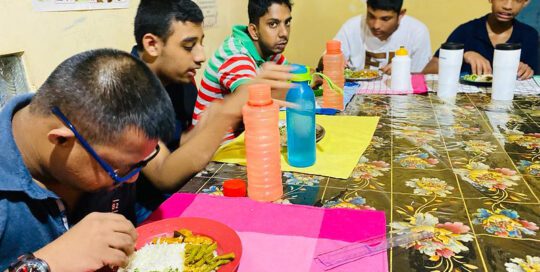
Preschool Feeding Program for Children in Need in Sri Lanka 2025
Patricia Brick2026-10-22T07:08:08-07:00Sri Lanka has South Asia’s second highest rate of severe acute malnutrition, according to UNICEF, and nearly one in six children here suffer from chronic wasting. In 2022, severe inflation and economic collapse resulted in crisis-level hunger across this nation of 22 million people, as food prices rose by almost 100 percent. BGR partner Child Action
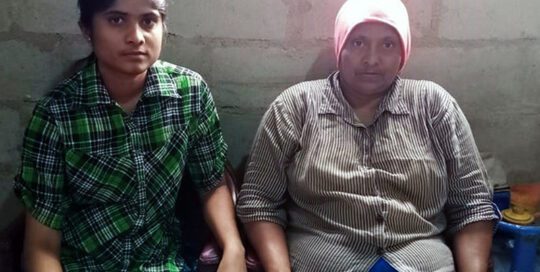
Technical Education for Women From Low-Income Families in Sri Lanka 2025
Patricia Brick2026-10-22T07:08:26-07:00In Sri Lanka, low-income women face tremendous barriers in accessing the vocational education necessary for lifting themselves and their families out of poverty. Even among women who qualify for tuition-free education, many find themselves unable to afford to pay for their room and board, required uniforms, data plans for online classes, and other necessities. This
Young Mothers Care Groups in South Africa 2025
Patricia Brick2026-10-22T07:08:40-07:00New BGR partner the Mahlathini Development Foundation (MDF) works in rural South Africa to provide climate-resilient training and resources primarily for smallholder farmers. In carrying out its agriculture training groups, MDF encountered a number of vulnerable young women, many of them single mothers, who sought to participate in the training groups but were unable to
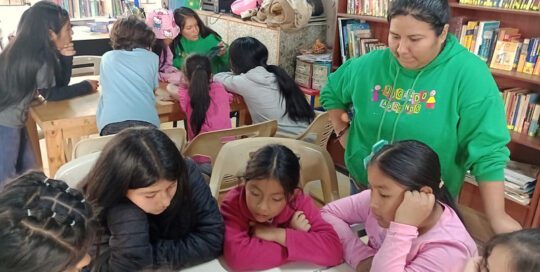
Nutrition and Education for Girls in Need in Peru 2025
Patricia Brick2026-10-22T07:08:54-07:00In San Juan de Miraflores, a community on the outskirts of Lima, more than 55 percent of the population lives in poverty, and in project area Nueva Reconda 10 percent live in extreme poverty. Many girls are at risk of becoming child domestic laborers and face great difficulties in gaining an education and escaping the
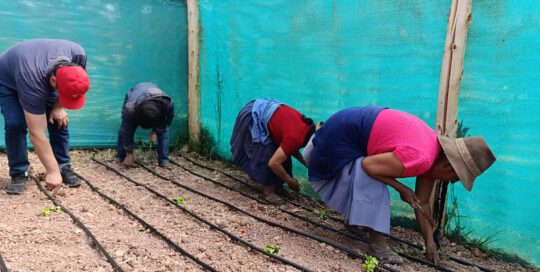
Agricultural Training for the Cultivation of Nutritious Vegetables and Fruits in Peru 2025
Patricia Brick2026-10-22T07:09:05-07:00BGR partner Wawasonqo has been working since 2006 to address food insecurity and malnutrition among rural communities in and around Cusco, Peru. Wawasonqo focuses its efforts on three pillars: education, nutrition, and health. The aim of this BGR-sponsored project is to address malnutrition and chronic anemia among primarily Quechua Indigenous rural families in Huarocondo. Many families
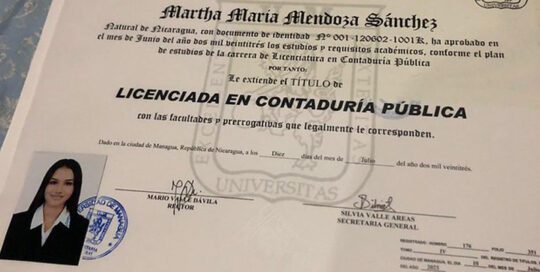
Higher Education for Young Women in Nicaragua 2025
Patricia Brick2026-10-22T07:09:22-07:00The ongoing human rights crisis in Nicaragua has resulted in skyrocketing food costs and unemployment, the confiscation of land and personal property by the government, and economic collapse In the rural communities served by BGR partner North Country Mission of Hope, only 25 percent of families have safe drinking water and sanitary facilities; 47 percent of