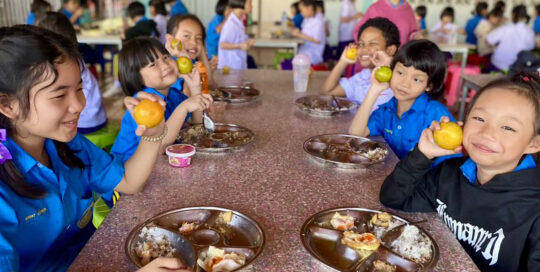
Dhammajarinee Witthaya School (DWS) in Pak Thao, Thailand, serves students from highly vulnerable backgrounds, with 95 percent of students coming from broken and troubled homes. Roughly 40 percent of the girls who attend the school have been orphaned or abandoned, and 80 percent have grown up below the poverty line. Education gives girls a chance to
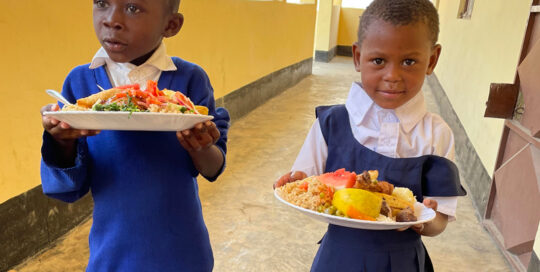
Save Their Dreams: Support for Children Orphaned by HIV/AIDS in Tanzania
Patricia Brick2026-05-22T09:10:21-07:00Tanzania is home to 1.3 million people who have been affected by HIV/AIDS, with more than a million children (ages infant to 17 years) orphaned because of this disease. Tanzania’s Mbeya region is home to the highest concentration of these children. A project with BGR partner Mercy World Organization is supporting 35 children ages 5 to 18
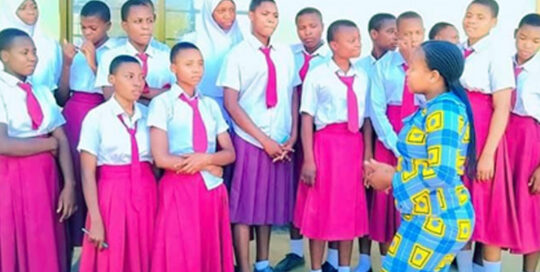
Girls’ Education in Tanzania
Patricia Brick2026-05-22T09:08:31-07:00Tanzania has one of the highest rates of out-of-school children in upper secondary school in the world—a recent UNESCO report estimates that 87 percent of children in that age group are currently not in school. Financial barriers to keeping girls in school include the costs of school fees, uniforms, sanitary wear, and transportation or accommodation, as
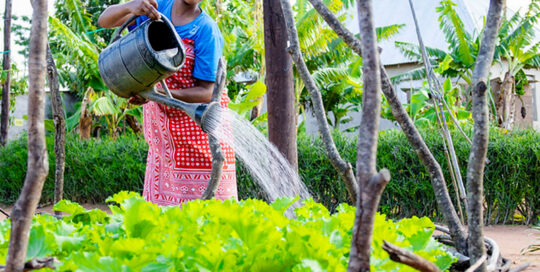
Wekeza Kwenye Lishe Shuleni: School Nutrition Program in Tanzania
Patricia Brick2026-05-22T09:07:01-07:00More than 30 percent of children under 5 in Tanzania suffer from stunting, an indicator of chronic undernutrition. A large proportion of children and women of reproductive age suffer anemia, which affects 59 percent of children below 5 years of age and 48 percent of women of reproductive age respectively. Despite national efforts to improve nutrition, many school-age
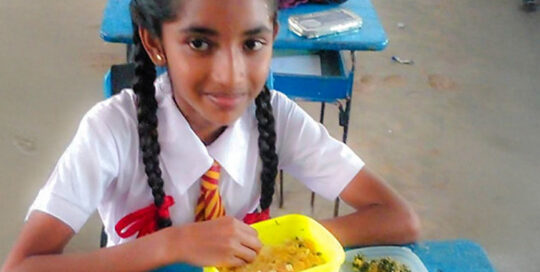
Food Scholarships for Children in Sri Lanka
Patricia Brick2026-05-22T09:04:40-07:00In the rural community of Seruwila Maha Vidyalaya, the Eastern Province of Sri Lanka, smallholder farmers face high rates of food insecurity, and many families struggle to provide even basic nutrition for their children. This lack of nutrition directly impacts educational outcomes, as children face fatigue, poor concentration, and high absenteeism due to hunger and
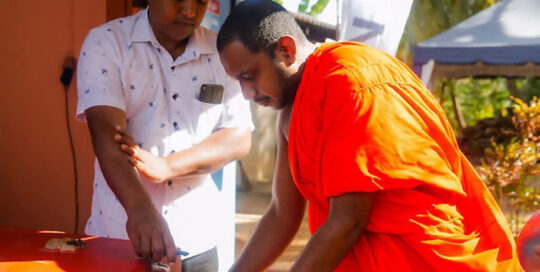
Pure Water for All in Sri Lanka
Patricia Brick2026-05-22T09:03:21-07:00In rural Sri Lanka, water contaminated by agrochemicals is causing an epidemic of chronic kidney disease (CKDu). Over 23,000 deaths have been reported from this virulent disease in the last two decades, and due to missed diagnoses the number may be far higher. The majority of victims are middle-aged men who are the sole breadwinners
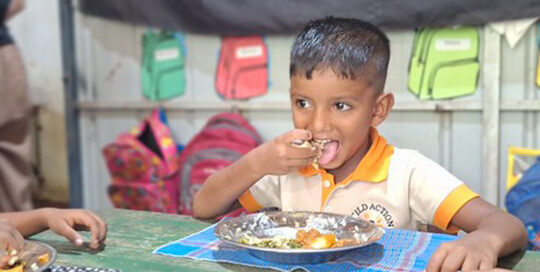
Growing With Care Program in Sri Lanka
Patricia Brick2026-05-22T09:02:01-07:00In Sri Lanka, one-quarter of the population lives below the poverty line, and nearly one-third of children under 5 are malnourished, according to the World Food Programme. BGR partner Child Action Lanka (CAL) serves children from some of the most vulnerable communities across Sri Lanka, including slum-based and street-connected communities, families affected by extreme poverty, and those
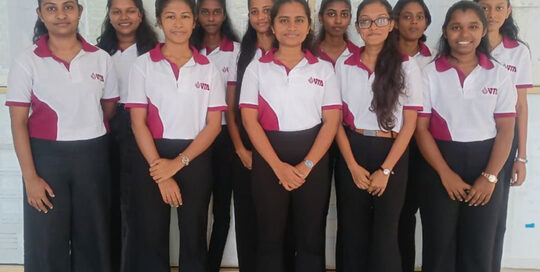
Technical Education for Women from Low-Income Families in Sri Lanka
Patricia Brick2026-05-22T09:00:39-07:00In Sri Lanka, low-income women face tremendous barriers in accessing the vocational education necessary for lifting themselves and their families out of poverty. Even among women who qualify for tuition-free education, many find themselves unable to afford to pay for their room and board, required uniforms, data plans for online classes, and other necessities. This
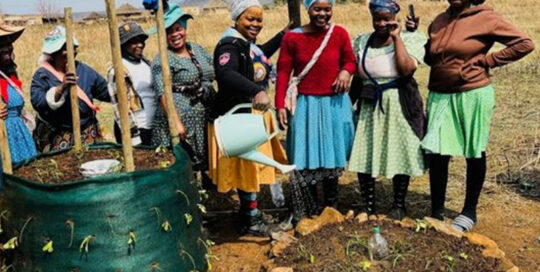
Young Mothers Care Groups in South Africa
Patricia Brick2026-05-22T08:59:17-07:00BGR partner the Mahlathini Development Foundation (MDF) works in rural South Africa to provide climate-resilient training and resources primarily for smallholder farmers. In carrying out its agriculture training groups, MDF encountered a number of vulnerable young women, many of them single mothers, who sought to participate in the training groups but were unable to due
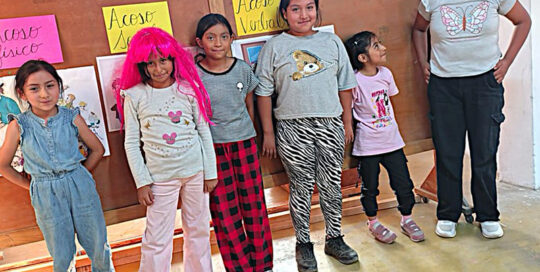
Nutrition and Education for Girls in Need in Peru
Patricia Brick2026-05-22T08:57:44-07:00In San Juan de Miraflores, a community on the outskirts of Lima, more than 55 percent of the population lives in poverty and 10 percent live in extreme poverty. Many girls are at risk of becoming child domestic laborers and face great difficulties in gaining an education and escaping the cycle of poverty; our partner