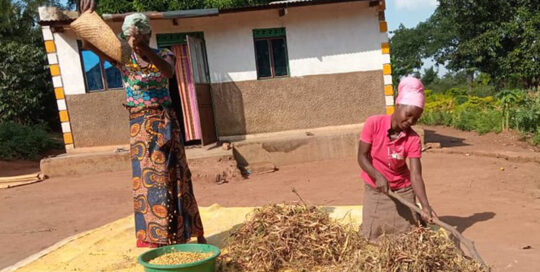
In the rural Zombo District of Uganda, more than 90 percent of residents depend on small-scale agriculture for their livelihoods; a majority of these farmers are women who rely on agricultural production to feed their families and earn income by selling crops at local markets. Land degradation, poor soil health, and high dependence on rain-fed
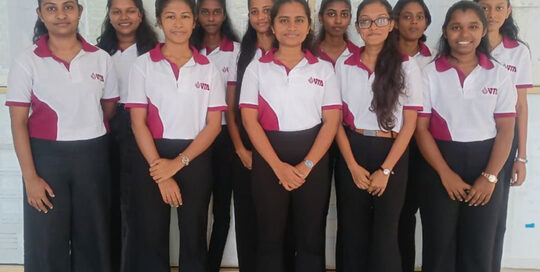
Technical Education for Women from Low-Income Families in Sri Lanka
Patricia Brick2026-05-22T09:00:39-07:00In Sri Lanka, low-income women face tremendous barriers in accessing the vocational education necessary for lifting themselves and their families out of poverty. Even among women who qualify for tuition-free education, many find themselves unable to afford to pay for their room and board, required uniforms, data plans for online classes, and other necessities. This
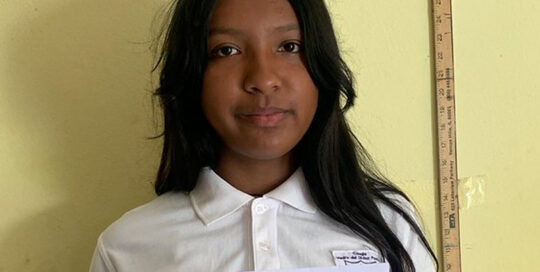
Higher Education for Young Women in Nicaragua
Patricia Brick2026-05-22T08:54:05-07:00The ongoing human rights crisis in Nicaragua has resulted in skyrocketing food costs and unemployment, the confiscation of land and personal property by the government, and economic collapse In the rural communities served by BGR partner North Country Mission of Hope, only 25 percent of families have safe drinking water and sanitary facilities; 47 percent of
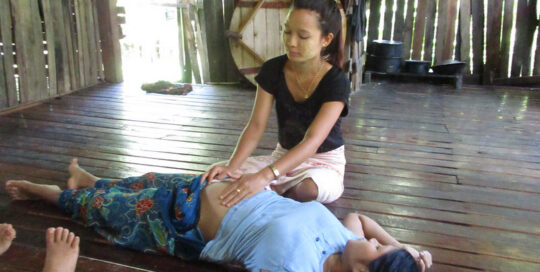
Backpack Medic Support in Myanmar
Patricia Brick2026-05-22T08:47:42-07:00Since 1999, the U.S.–based Burma Humanitarian Mission (BHM) has partnered with the Back Pack Health Worker Team to provide health care to members of Myanmar’s oppressed and persecuted ethnic minorities. Teams of backpack medics from the ethnic minority Karen, Kachin, Shan, Pa’laung, Mon, Chin, and Rohingya communities each travel to between nine and twelve villages or internally
Addressing Nutrition Insecurity, Anemia, and Stunting among Farming Families in India
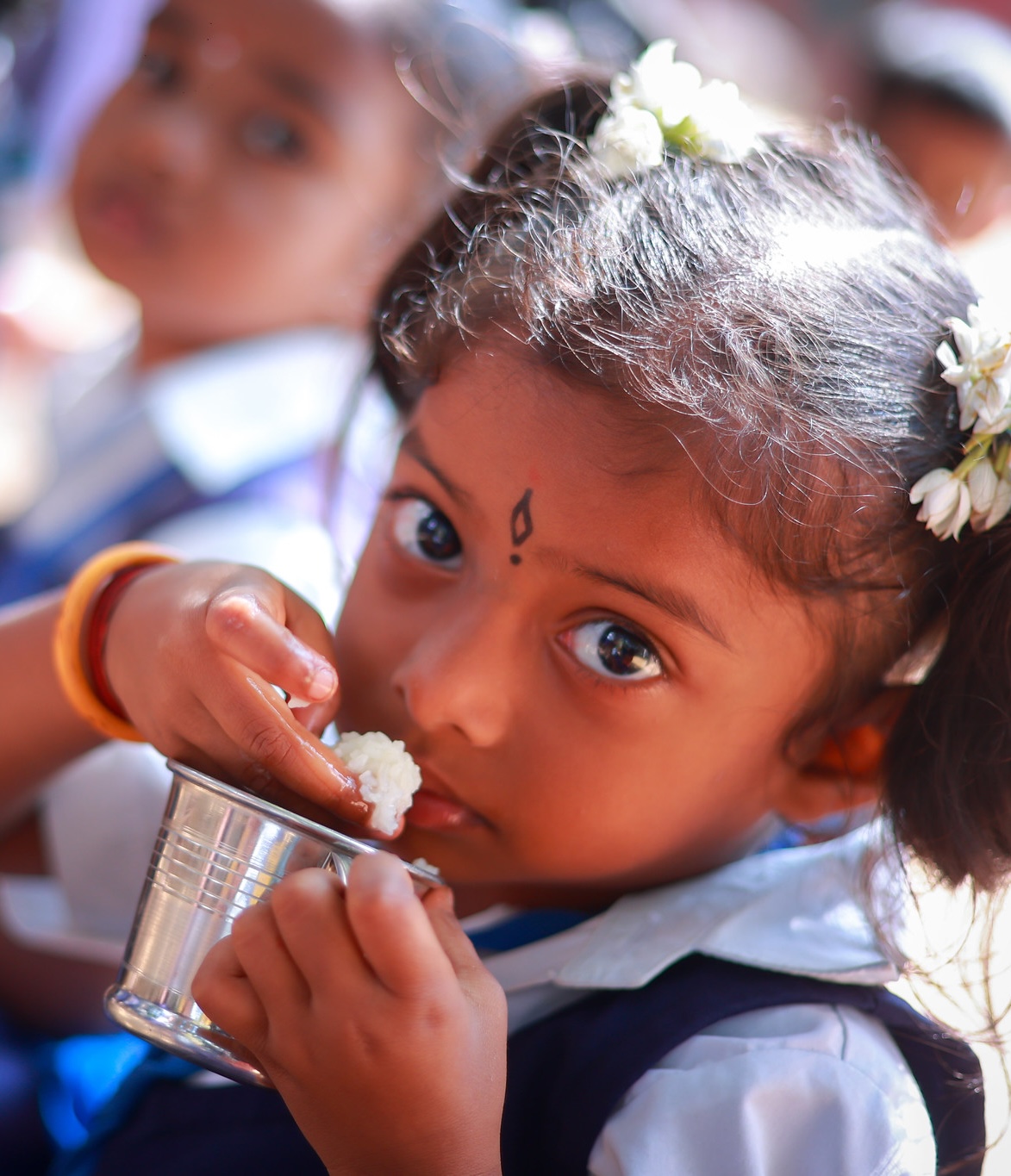
Patricia Brick2026-05-22T08:34:28-07:00Women perform 80 percent of agricultural labor in Siddharthnagar district in Uttar Pradesh, cultivating an iron- and zinc-rich heritage rice variety, yet families here cannot afford to eat their own nutritious harvest, as middlemen claim upwards of 60 percent of the value. The growers must sell their heritage rice at a steep discount and then
Menstrual Health and Livelihoods Initiative
Patricia Brick2026-05-22T08:31:53-07:00Undrajavaram Mandal in Andhra Pradesh is a rural area with limited economic opportunities, particularly for women. Girls and young women lack access to education and vocational training, and caste principles broadly limit opportunities for improving their livelihoods. This project with the Rosary Prayer Society is a women-led menstrual health and livelihood initiative to address
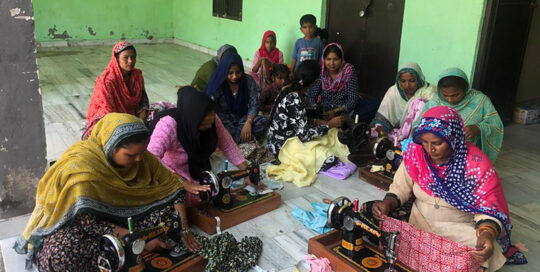
Capacity Building for Long-Term Sustainability of Rural Women in India
Patricia Brick2026-05-22T08:21:16-07:00BGR partner Building Bridges India (BBI) supports economically disadvantaged rural families in southern Punjab, where rural women face limited non-agricultural job opportunities and often struggle to financially support their families. BBI’s mission is to uplift rural women through educational programs and services that enable women to achieve economic self-reliance and emerge as change agents within
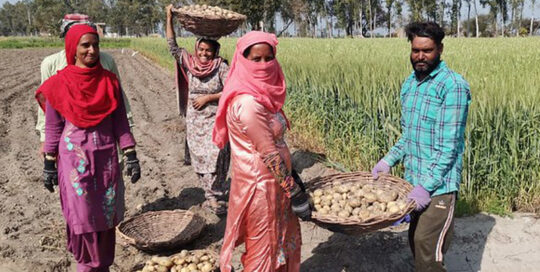
Increased Food Production and Consumption for Women in India
Patricia Brick2026-05-22T08:19:52-07:00In rural Punjab, India, poor nutrition and ill health are widespread, particularly among women. Despite the state’s agricultural wealth, many women suffer from malnutrition due to poverty, limited resources, and sociocultural norms that prioritize male nutritional needs. To address these challenges, this project with BGR partner Building Bridges India trains women to grow organic vegetables
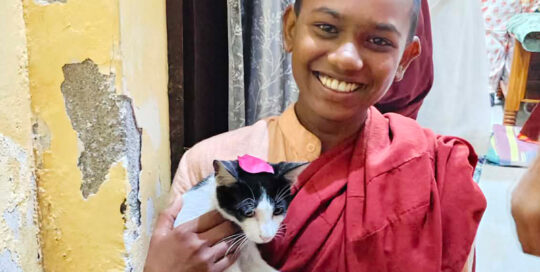
Girls’ Home and Integrated Community Center in India
Patricia Brick2026-05-22T08:17:49-07:00This project with longtime BGR partner the Bodhicitta Foundation provides housing and schooling for 30 young women, ages 14 to 23, who are at risk of having their educations cut short due to poverty. The girls come from some of the poorest regions in India, and many belong to the Dalit caste and other groups
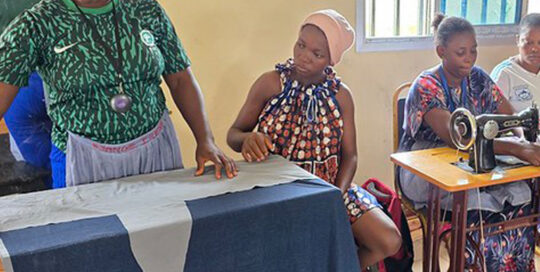
Vocational Training for Women in Need in Cameroon
Patricia Brick2026-05-22T07:57:36-07:00Across Cameroon, the number of women, girls, and youths who survive on less than a dollar per day continues to increase in both urban and rural areas. Across the Southwest Region, women who have been the victims of sexual and/or domestic violence report experiencing economic deprivation, stigmatization, and a lack of vocational opportunities. Additionally, humanitarian