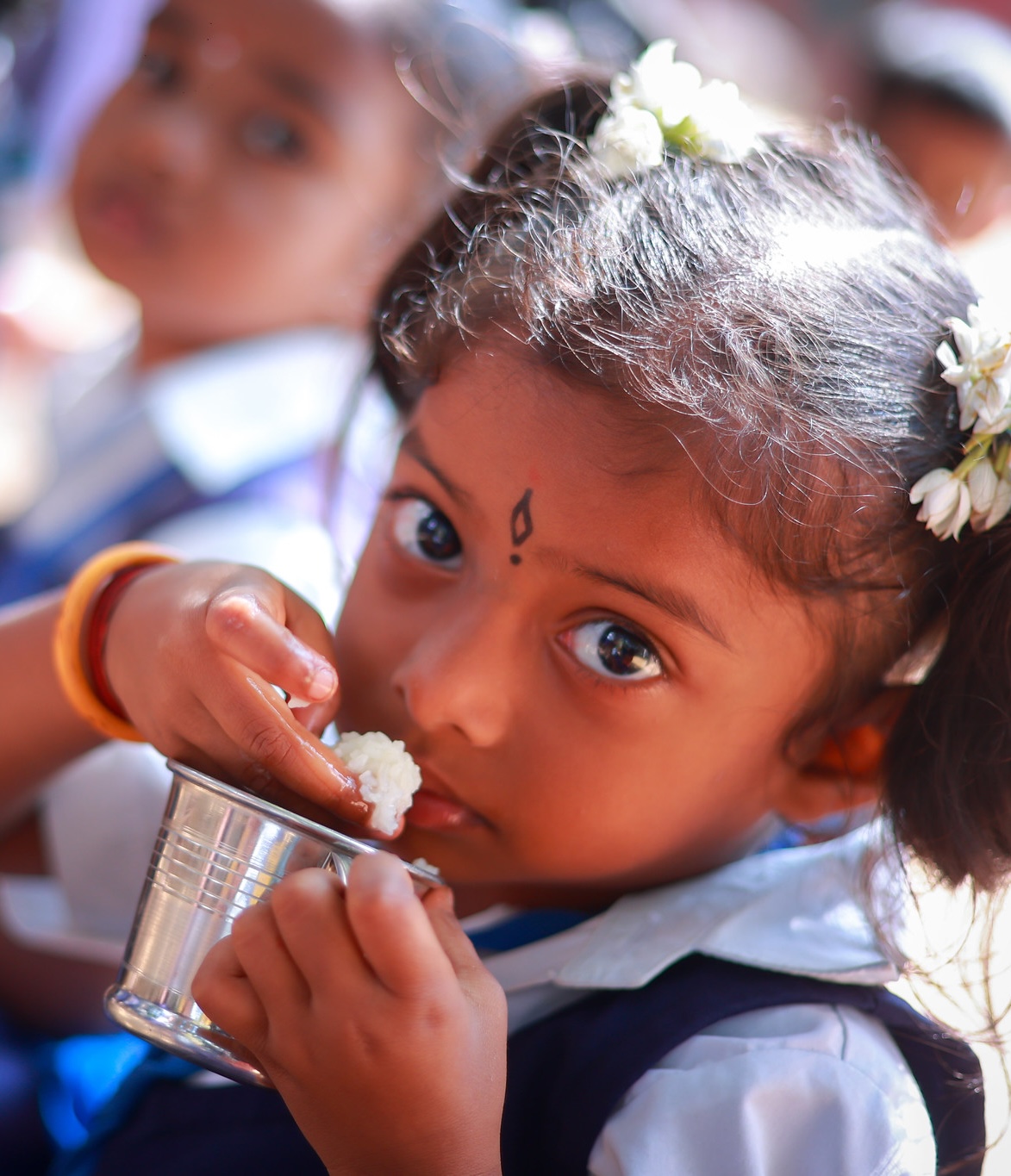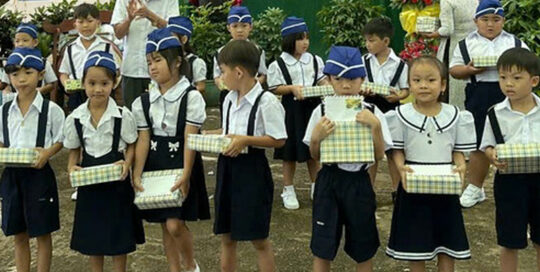
Poverty in Vietnam is highly concentrated in rural areas. Families work mainly in the agricultural sector, with limited employment opportunities available elsewhere. They have minimal access to credit, infrastructure, social services, and health care. The poverty facing these families forces many parents to keep their children at home as they are not able to afford
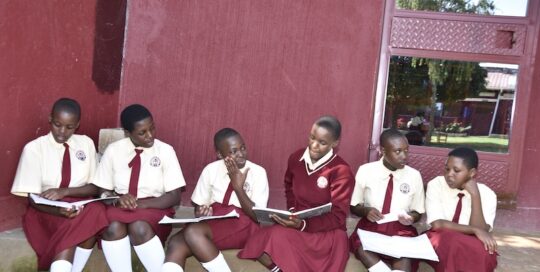
African Buddhist High School Support in Uganda
Patricia Brick2026-05-22T09:49:21-07:00In the fishing communities near Entebbe, Uganda, many families face poverty, poor nutrition, familial instability, and limited access to education. Under the guidance of founder and abbot the Most Venerable Bhante Buddharakkhita, Uganda Buddhist Centre (UBC) has founded an African Buddhist High School program offering academic instruction and vocational training to high school students from under-resourced
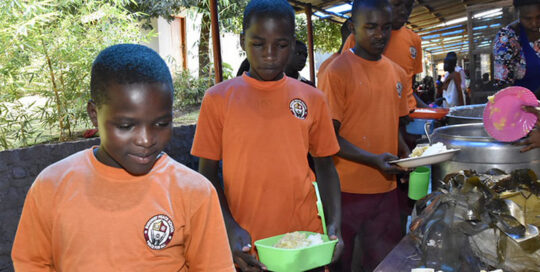
High School Lunch Program in Uganda
Patricia Brick2026-05-22T09:47:23-07:00In the fishing communities near Entebbe, Uganda, many families face poverty, poor nutrition, familial instability, and limited access to education. Under the guidance of founder and abbot the Most Venerable Bhante Buddharakkhita, Uganda Buddhist Centre (UBC) has founded an African Buddhist High School program offering academic instruction and vocational training to high school students from under-resourced
Hunger Relief and Education for Children in Need in Uganda
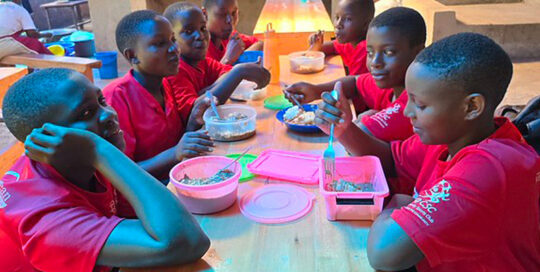
Patricia Brick2026-05-22T09:44:53-07:00In the village of Bulega in southern Uganda, BGR partner Uganda Buddhist Centre (UBC) has established a feeding program to care for some of the many children here who have lost parents to HIV/AIDS or other illnesses, accidents, abandonment, or conflict-related violence. The children are at significant risk of maltreatment, exploitation, and sexual and economic abuse. This
Meals for Underserved Girls in Thailand
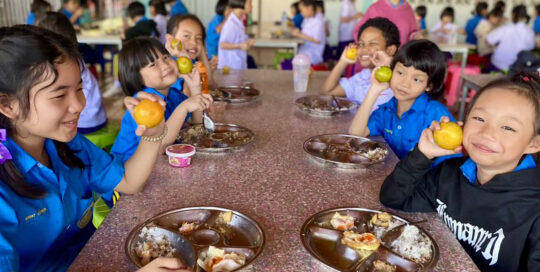
Patricia Brick2026-05-22T09:11:49-07:00Dhammajarinee Witthaya School (DWS) in Pak Thao, Thailand, serves students from highly vulnerable backgrounds, with 95 percent of students coming from broken and troubled homes. Roughly 40 percent of the girls who attend the school have been orphaned or abandoned, and 80 percent have grown up below the poverty line. Education gives girls a chance to
Girls’ Education in Tanzania
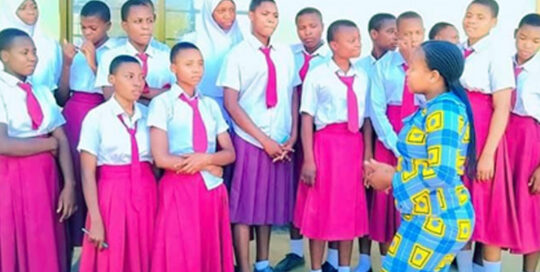
Patricia Brick2026-05-22T09:08:31-07:00Tanzania has one of the highest rates of out-of-school children in upper secondary school in the world—a recent UNESCO report estimates that 87 percent of children in that age group are currently not in school. Financial barriers to keeping girls in school include the costs of school fees, uniforms, sanitary wear, and transportation or accommodation, as
Wekeza Kwenye Lishe Shuleni: School Nutrition Program in Tanzania
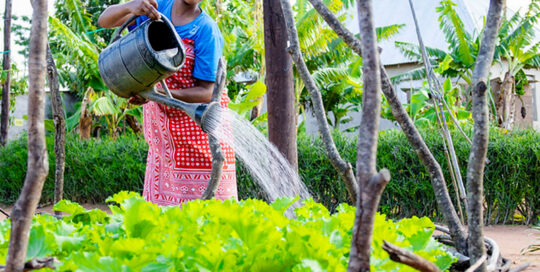
Patricia Brick2026-05-22T09:07:01-07:00More than 30 percent of children under 5 in Tanzania suffer from stunting, an indicator of chronic undernutrition. A large proportion of children and women of reproductive age suffer anemia, which affects 59 percent of children below 5 years of age and 48 percent of women of reproductive age respectively. Despite national efforts to improve nutrition, many school-age
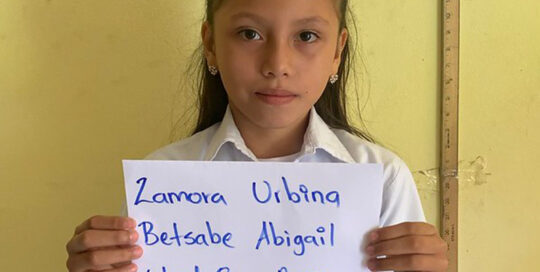
Education Support for Girls and Young Women in Nicaragua
Patricia Brick2026-05-22T08:52:49-07:00The ongoing human rights crisis in Nicaragua has resulted in skyrocketing food costs and unemployment, the confiscation of land and personal property by the government, and economic collapse. In the rural communities served by BGR partner North Country Mission of Hope, only 25 percent of families have safe drinking water and sanitary facilities. Children are the
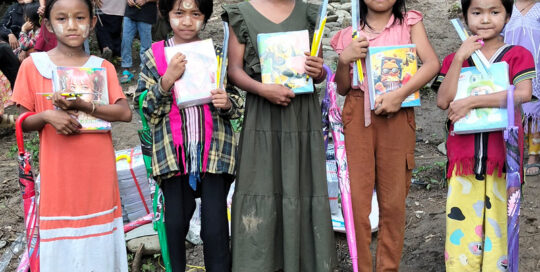
Educational Support for Displaced Children in Myanmar
Patricia Brick2026-05-22T08:51:02-07:00State violence against opposition groups in eastern Myanmar, also known as Burma, has had a horrific effect on the nation’s children. Roughly 3.7 million people have been displaced, disrupting daily life and children’s sense of safety. Government forces have intentionally targeted schools in order to terrorize dissidents, while conflicts between armed opposition groups have disrupted
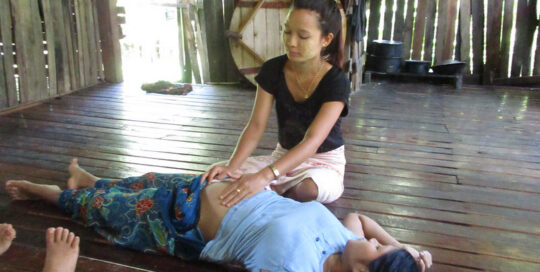
Backpack Medic Support in Myanmar
Patricia Brick2026-05-22T08:47:42-07:00Since 1999, the U.S.–based Burma Humanitarian Mission (BHM) has partnered with the Back Pack Health Worker Team to provide health care to members of Myanmar’s oppressed and persecuted ethnic minorities. Teams of backpack medics from the ethnic minority Karen, Kachin, Shan, Pa’laung, Mon, Chin, and Rohingya communities each travel to between nine and twelve villages or internally