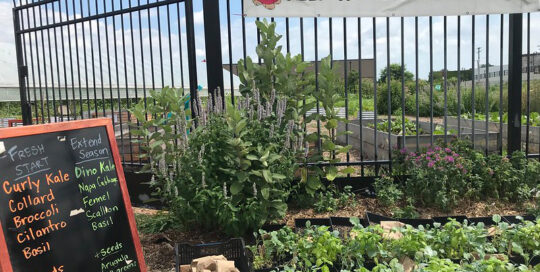
In Detroit, Michigan, nearly 69 percent of households experience food insecurity, and 30,000 residents lack access to full-service grocery stores and therefore to readily obtained fresh food. Furthermore, grocery prices in the U.S. have increased by 25 percent since the pandemic, putting additional financial pressure on many families. To respond to the increasing food insecurity
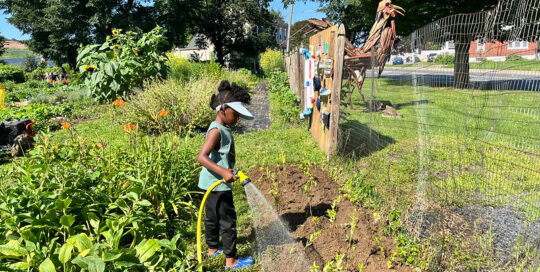
Community-Centered Food Security through Urban Agriculture in Easton, Pennsylvania
Patricia Brick2026-05-22T09:55:46-07:00The Easton Urban Farm, operated by the Easton Area Neighborhood Center, is a 5/8-acre plot on which community volunteers grow vegetables, fruits, and seedlings for distribution to low-income residents of the city of Easton, Pennsylvania. In addition to providing over 10,000 pounds of nutritious, locally grown produce to food-insecure families each year, the farm also teaches
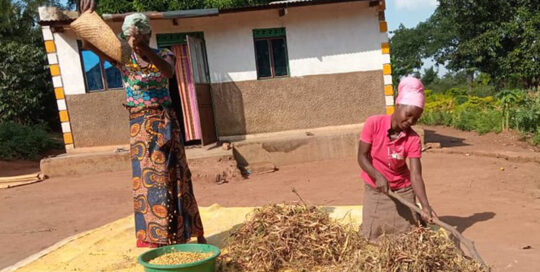
Women’s Livelihoods and Climate-Smart Agriculture in Uganda
Patricia Brick2026-05-22T09:14:19-07:00In the rural Zombo District of Uganda, more than 90 percent of residents depend on small-scale agriculture for their livelihoods; a majority of these farmers are women who rely on agricultural production to feed their families and earn income by selling crops at local markets. Land degradation, poor soil health, and high dependence on rain-fed
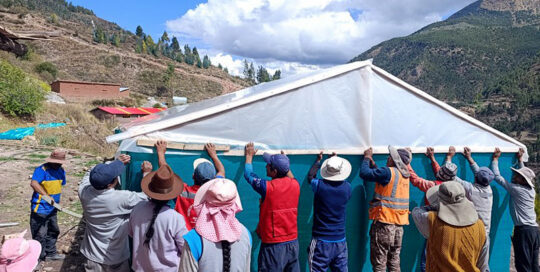
Agricultural Training for the Cultivation of Nutritious Vegetables and Fruits in Peru
Patricia Brick2026-05-22T08:55:50-07:00BGR partner
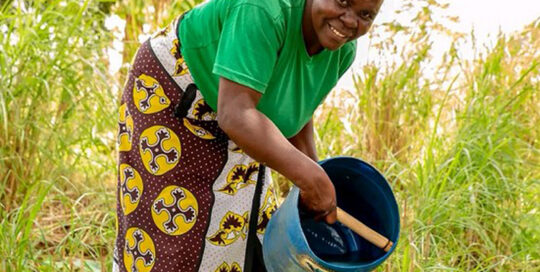
Grow Biointensive Sustainable Agriculture Program in Malawi
Patricia Brick2026-05-22T08:42:05-07:00Millions of people in Malawi face food insecurity and potential starvation each year. Three-quarters of Malawi’s population lives below the international poverty line, and an estimated 35 percent of children under 5 are chronically malnourished to the point that their physical growth is impacted. The United Nation has declared Malawi one of the most at-risk
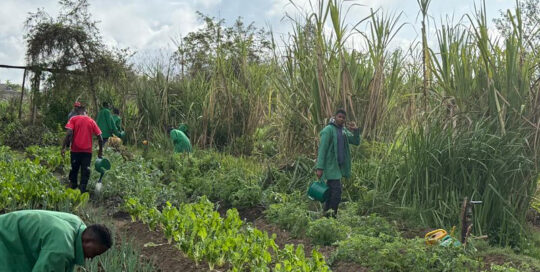
Sustainable Livelihoods Program for Farmers in Kenya
Patricia Brick2026-05-22T08:39:35-07:00This project with BGR partner the Grow Biointensive Agriculture Centre of Kenya (G-BIACK) has been created to address food insecurity and malnutrition and to raise the income of smallholder farmers in Matungulu, Machakos County, where agriculture is impacted by low productivity, soil degradation, and environmental destruction. Building on previous BGR projects, this year’s initiative is continuing to
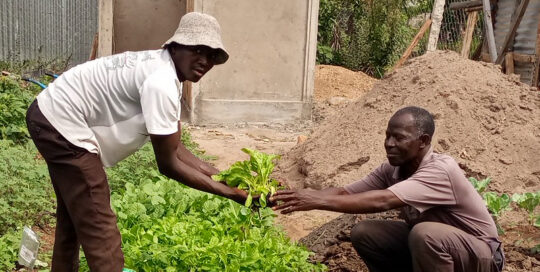
Kijiji Ukulima Eco: Permaculture Training for Smallholder Farmers in Kenya
Patricia Brick2026-05-22T08:37:52-07:00In Kenya’s Siaya County, low-yield agricultural practices and vulnerability to drought and other climate shocks has resulted in high levels of food insecurity and a poverty rate of nearly 50 percent of the population. Poor soils that have been degraded by erosion and the use of synthetic pesticides exacerbate these problems. A project led by

Addressing Nutrition Insecurity, Anemia, and Stunting among Farming Families in India
Patricia Brick2026-05-22T08:34:28-07:00Women perform 80 percent of agricultural labor in Siddharthnagar district in Uttar Pradesh, cultivating an iron- and zinc-rich heritage rice variety, yet families here cannot afford to eat their own nutritious harvest, as middlemen claim upwards of 60 percent of the value. The growers must sell their heritage rice at a steep discount and then
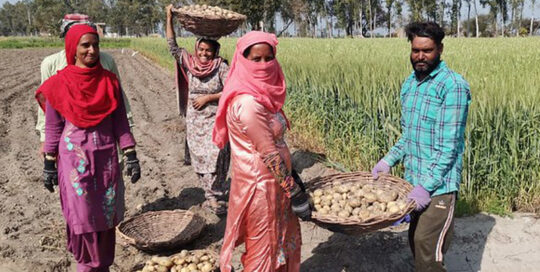
Increased Food Production and Consumption for Women in India
Patricia Brick2026-05-22T08:19:52-07:00In rural Punjab, India, poor nutrition and ill health are widespread, particularly among women. Despite the state’s agricultural wealth, many women suffer from malnutrition due to poverty, limited resources, and sociocultural norms that prioritize male nutritional needs. To address these challenges, this project with BGR partner Building Bridges India trains women to grow organic vegetables
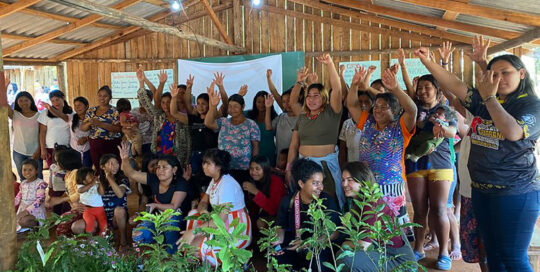
Food Sovereignty Through Traditional Agriculture for Indigenous Communities in Brazil
Patricia Brick2026-04-27T18:21:42-07:00The Guarani are traditional peoples of the Brazilian Atlantic Forest and live in villages scattered throughout southern Brazil and neighboring countries. Centuries of colonization have resulted in the loss or degradation of much of their historic territory. Today, the Guarani are working to restore these lands, through planting and reforestation projects. This project with BGR